Meet the Newest Member of Our Seaforestation Team: Our Underwater Camera
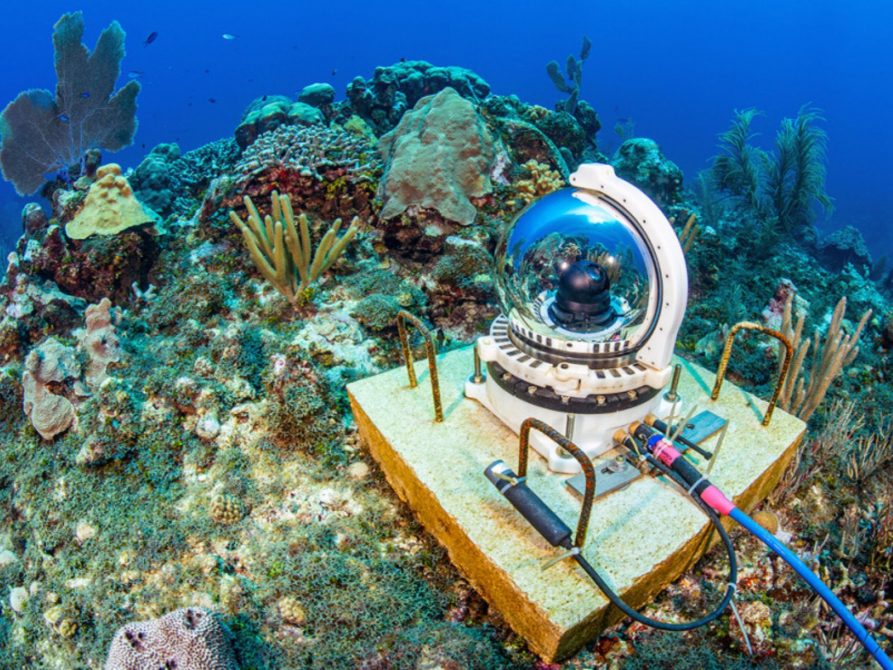

Restoring kelp forests means knowing what’s really happening underwater. But since our team can’t live down there (no matter how much we might wish for mermaid powers), we’ve welcomed a new teammate who can. And this one is staying under the waves full-time.
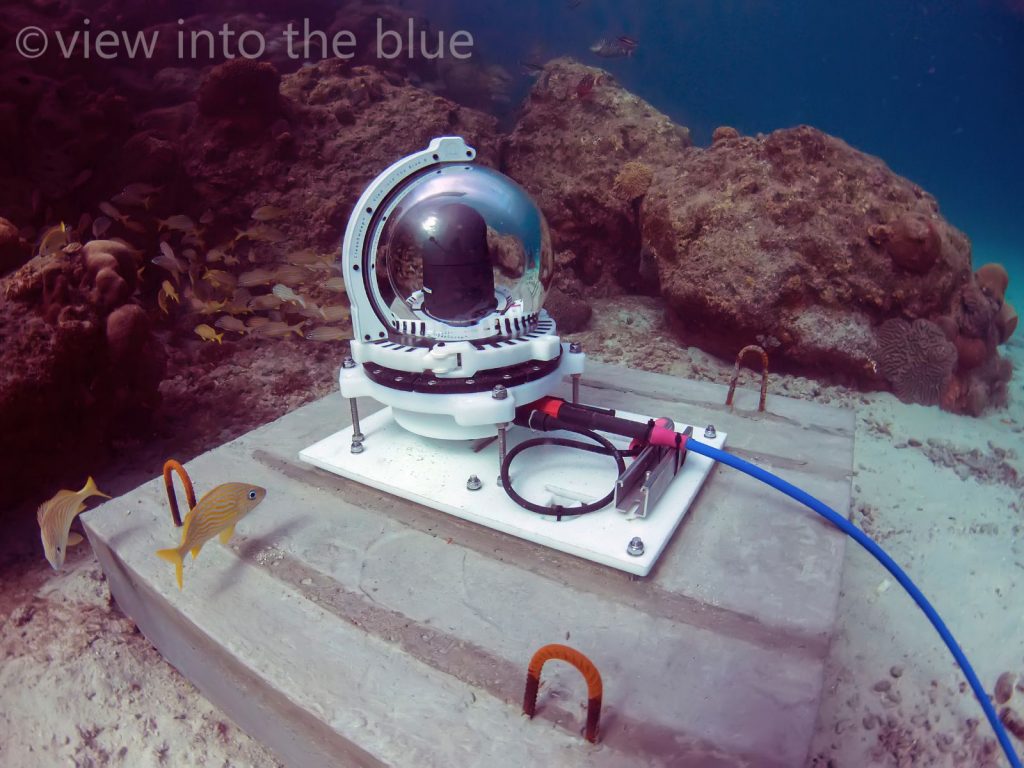
Say hello to our new underwater camera system, created by Fathom Ocean, an environmental technology company specializing in the creation and deployment of long-term ocean monitoring systems. This small but mighty device is about to change how we monitor kelp forest recovery in British Columbia.
A New Way to See Kelp Forest Restoration
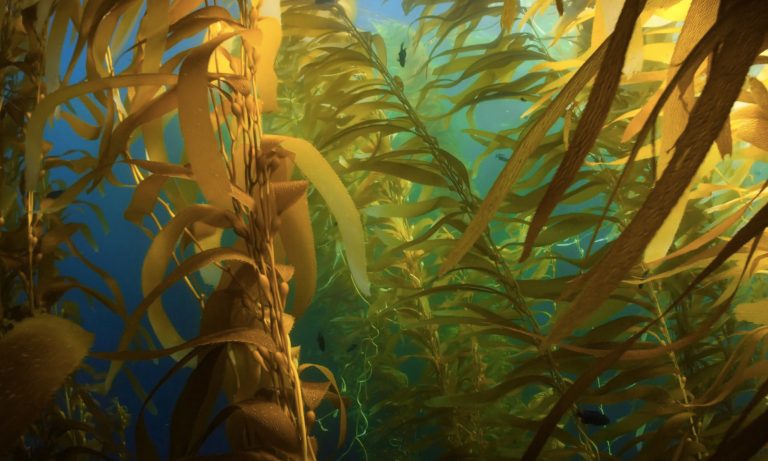
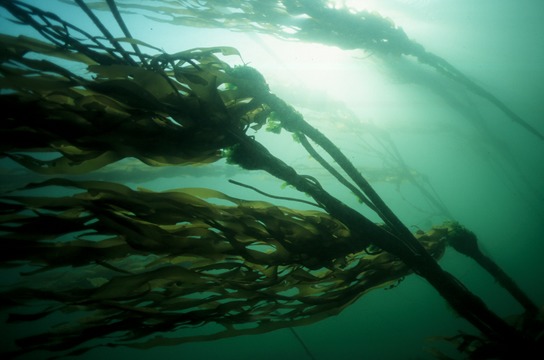
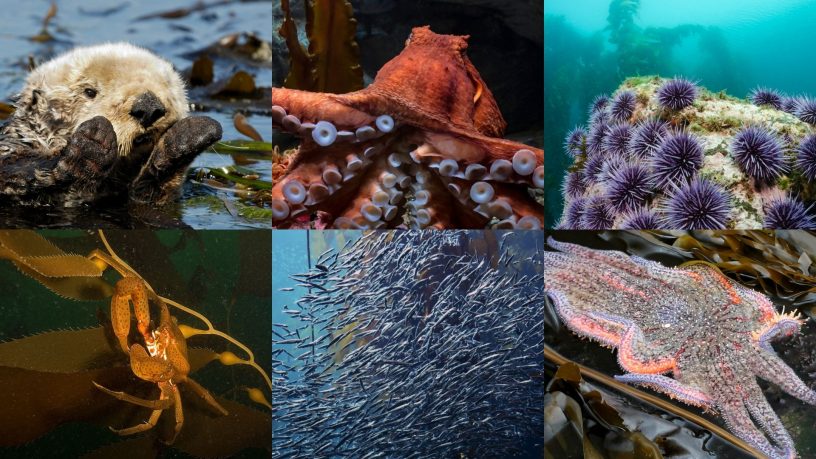
Kelp forests are some of the most important ecosystems in the ocean. They provide food, shelter, and nursery areas for many species like salmon, herring, sea otters, and even orcas.
But kelp forests are struggling. More than half have disappeared or become damaged over the past 50 years due to climate change and ecosystem imbalances. The need to protect and restore these critical ecosystems has never been more urgent.
But to know if our restoration efforts are actually having a positive impact, we need to be able to accurately monitor the restoration site.
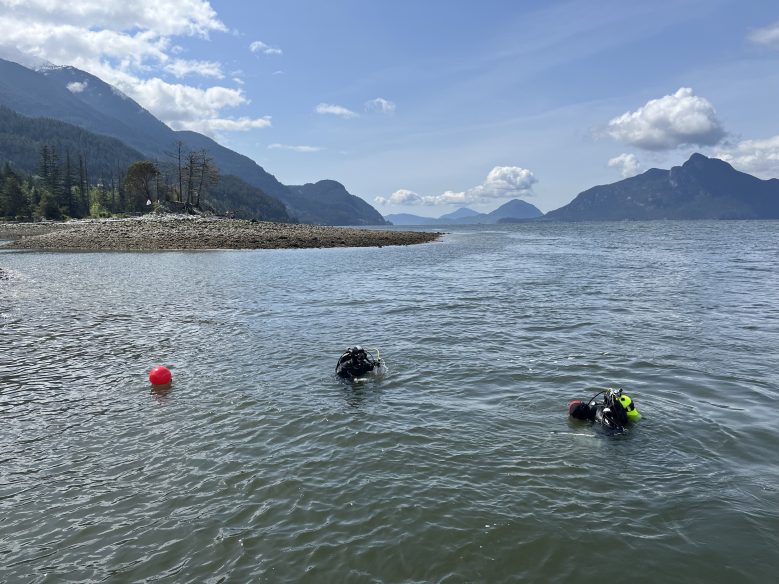
For the last two years, we have partnered with the Tseshaht First Nation to restore Giant Kelp forests in Barkley Sound. Until now, divers and site visits have helped us check the health of our transplanted kelp. These surveys have been very useful, but they only show us a snapshot of our restoration efforts, not the whole picture!
The underwater camera changes this. With continuous footage, we will have a window into the underwater world every single day and be able to watch ecosystem recovery happen in real time. And more importantly, be able to measure the impacts of our restoration with more accuracy!
What the Underwater Camera Helps Us Track
With continuous footage, our monitoring becomes much stronger. We’ll be able to watch and record:
- Which species return as the habitat improves
- How fish populations grow and shift as kelp expands
- Which invertebrates appear, like crabs, snails, and sea stars
- How the ecosystem becomes more complex as kelp grows into tall, layered forests
Being able to see change over time, rather than guessing between surveys, will help us understand what’s working, what isn’t, and what the ecosystem needs next.
Understanding Urchins Like Never Before
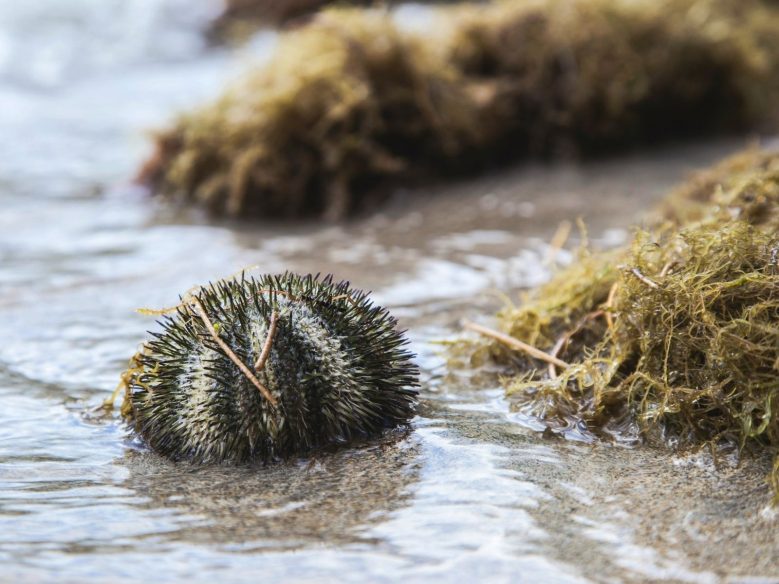
One of the most exciting opportunities this camera offers is the chance to study sea urchin behaviour up close.
Sea urchin overgrazing has contributed to major kelp loss across B.C.’s coast. Urchins can eat large amounts of kelp and even go dormant when food is scarce, returning as soon as kelp grows back. Understanding their behaviour around restored kelp is vital for long-term recovery.
With the underwater camera, we’ll be able to monitor:
- How urchins move through restored areas
- When and where they graze
- How they respond to transplanted kelp
- How their patterns change over time as the ecosystem becomes more complex
This knowledge will directly inform our adaptive management strategies and help guide decisions that improve the resilience of our restored sites.
What’s Next
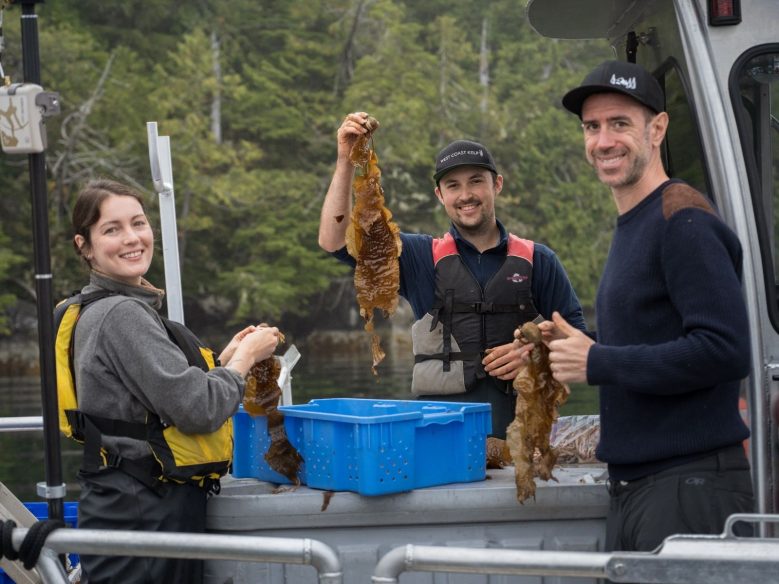
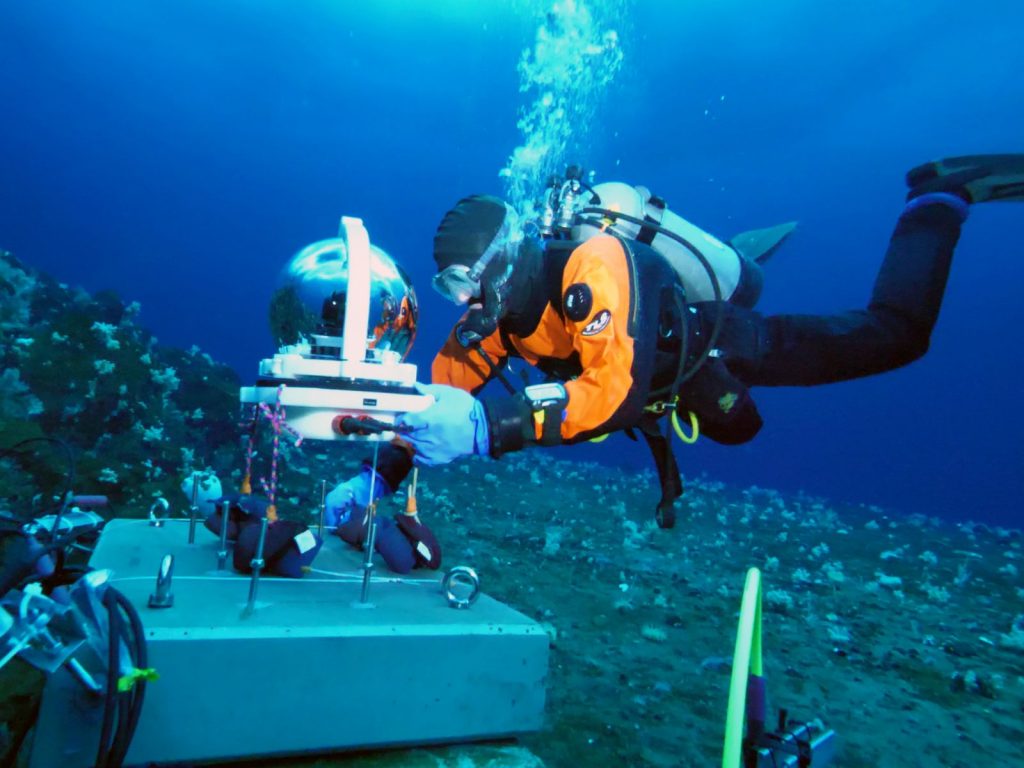
Next week, our Seaforestation team is heading out to Barkley Sound on Vancouver Island’s west coast to install the underwater camera and kick off monitoring ahead of our urchin harvesting project this spring. And soon, you may even be able to follow the results of restoration right alongside us, with a potential livestream coming to our YouTube channel later this year. If lucks on your side, you might even catch an otter swimming by.
But first things first! Every good teammate needs a great nickname, and we’d love your help. Head to our social channels and share your best name ideas for our new camera!
Posted March 2, 2026 by Kim Bricker