Current Kelp Restoration Projects
Breathing Life Back Into Furry Creek
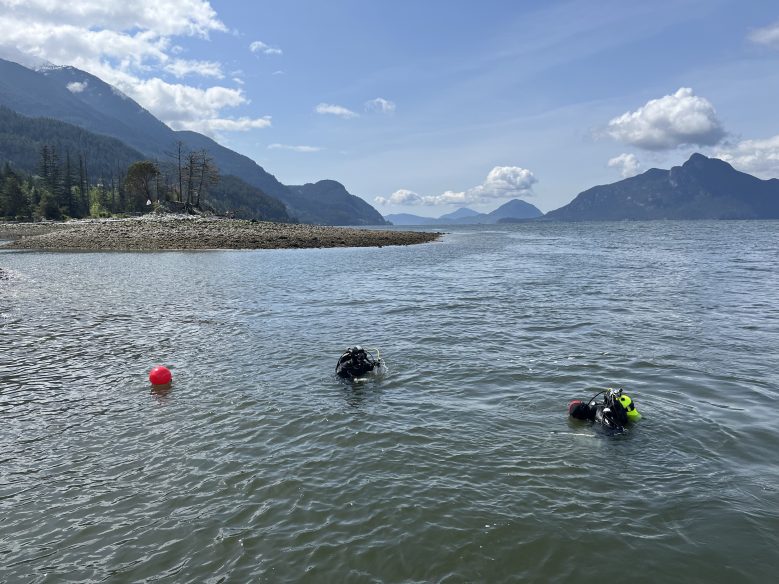
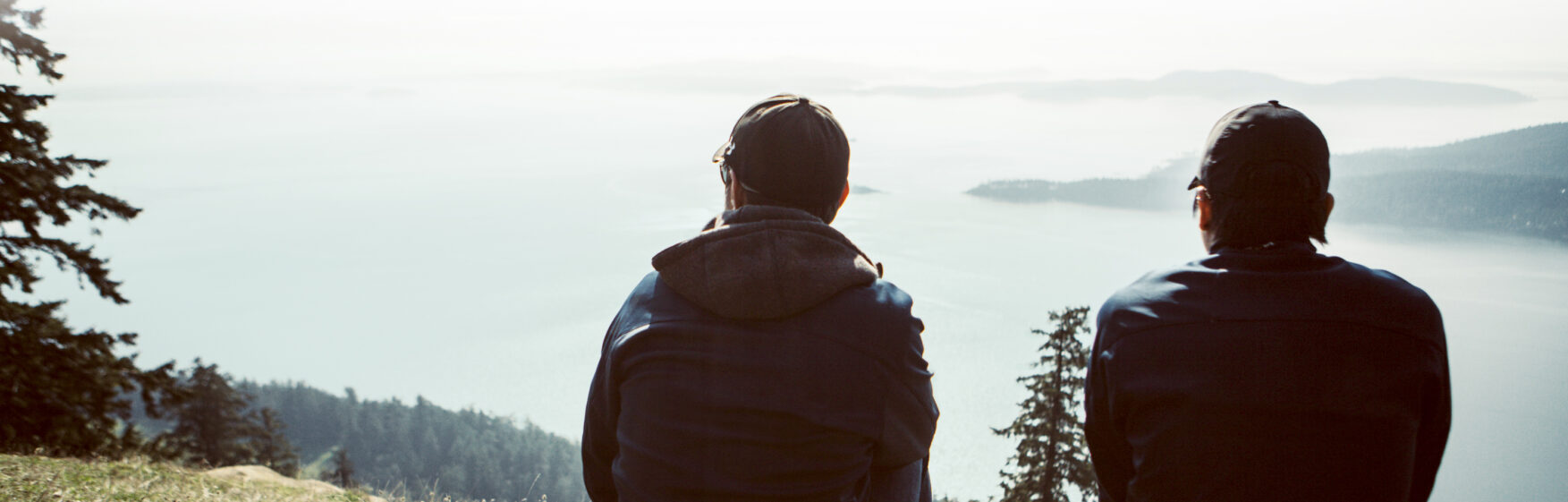
Located in Átl’ḵa7tsem / Howe Sound, just north of Vancouver, Furry Creek was once an important habitat for Pacific herring spawning. Over the past century, industrial development, warming waters, and biodiversity loss have placed increasing pressure on these coastal ecosystems. In partnership with the Squamish First Nation, Ocean Wise is working to restore native kelp species and support the recovery of this vital marine habitat.
Species We’re Restoring
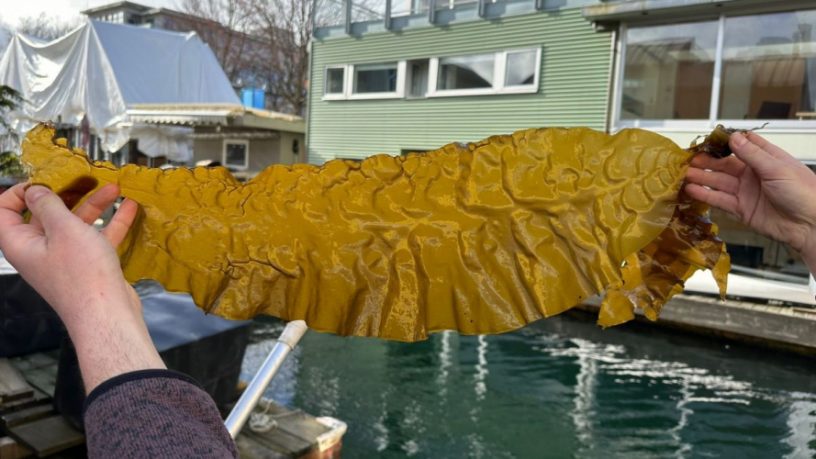
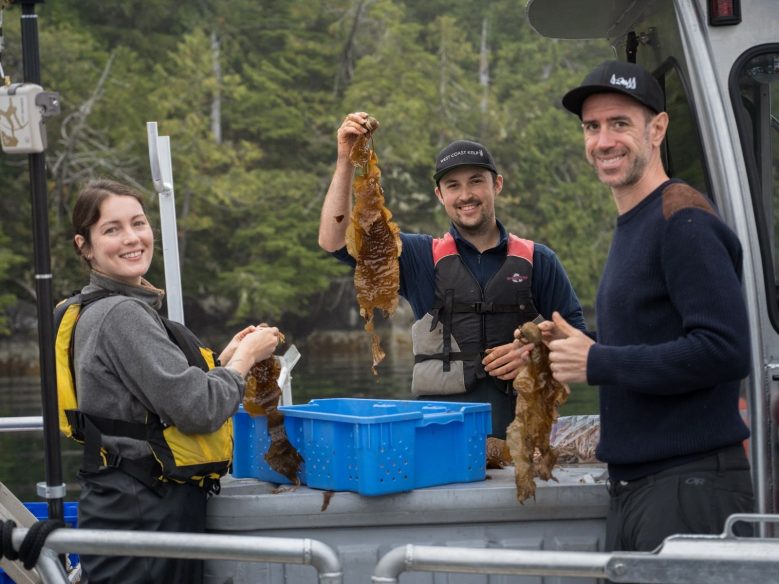
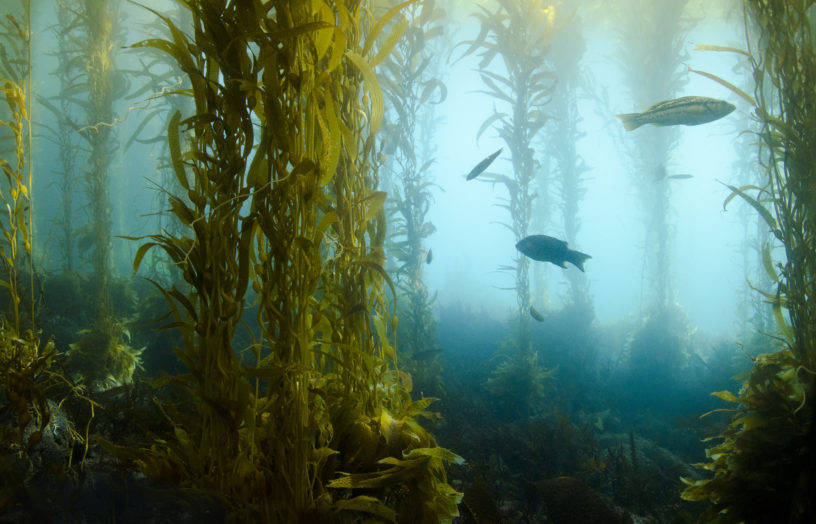
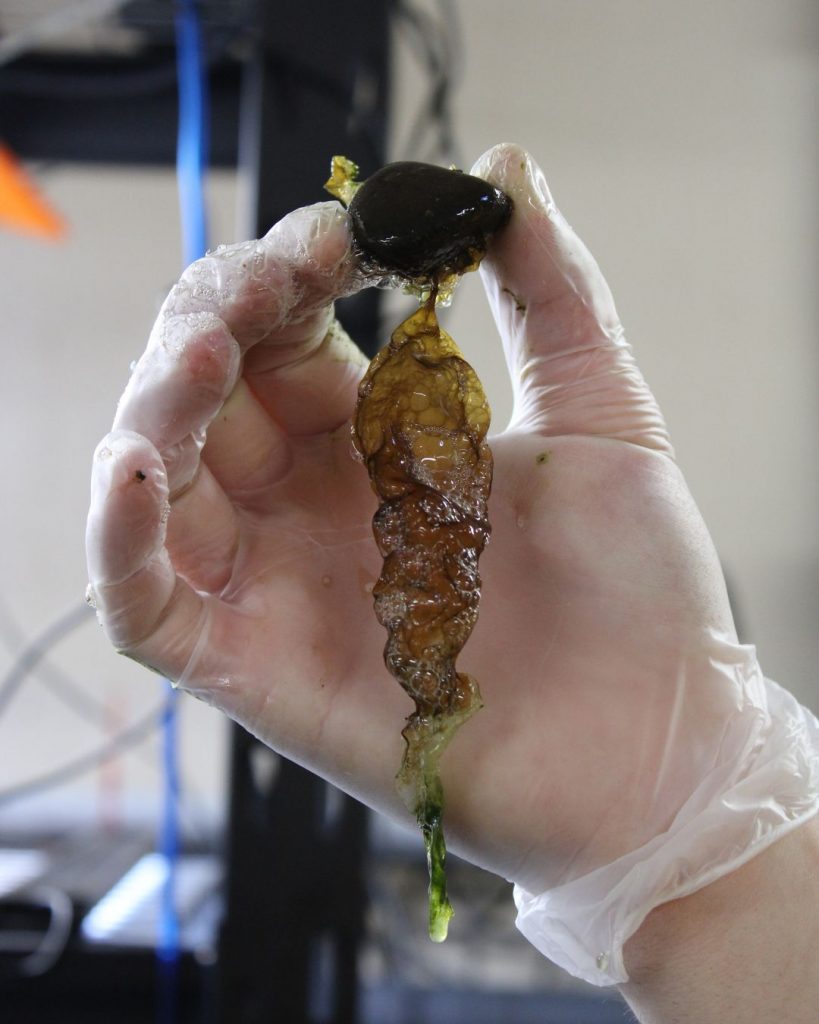
All of the kelp planted at Furry Creek was grown at our West Vancouver Kelp Nursery from spore to sporophyte. Our primary restoration species is Sugar Kelp (Saccharina latissima), a fast-growing native kelp well suited to nursery cultivation. Growing along shallow rocky reefs, Sugar Kelp’s broad golden-brown blades create complex underwater habitat that provides food and shelter for thousands of marine organisms. By restoring this species, we are helping rebuild the foundation of a healthy coastal ecosystem.
Learn More About Our Kelp Nursery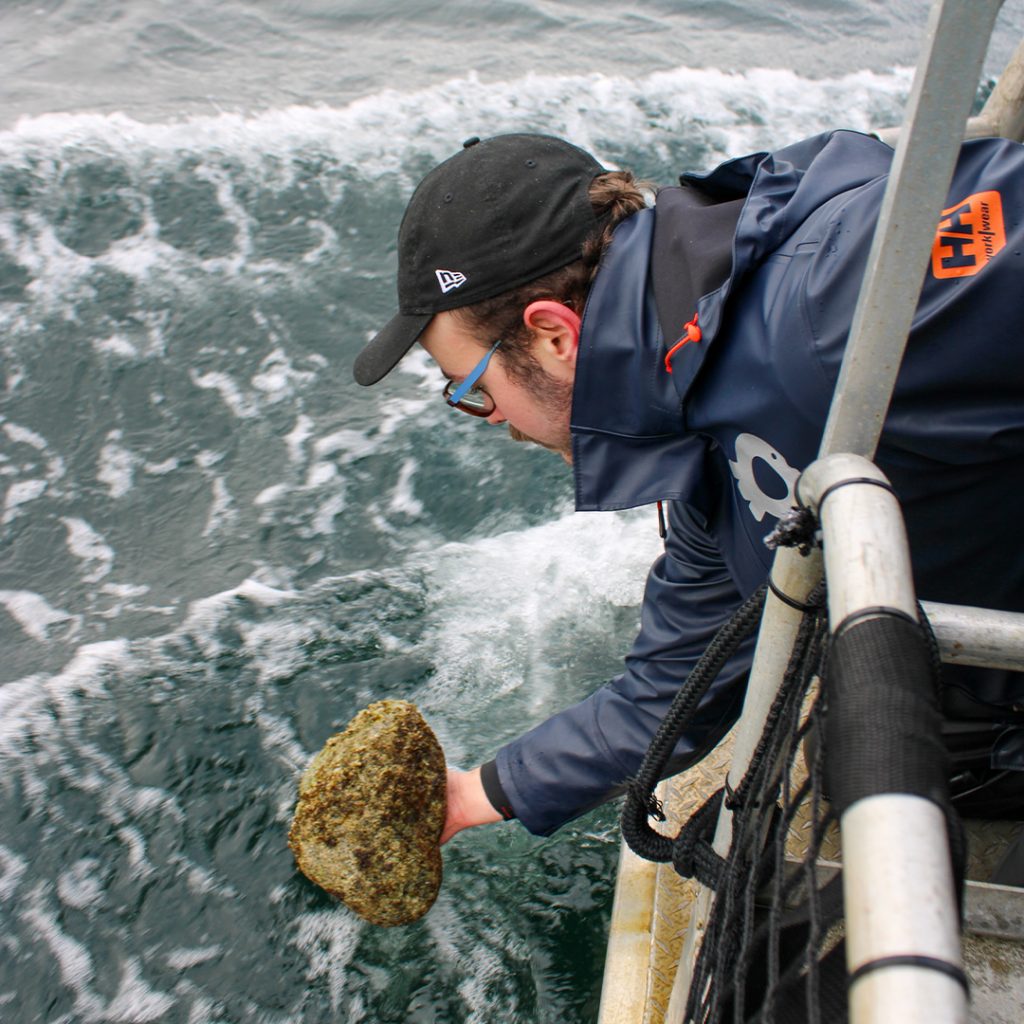
Restoration Techniques
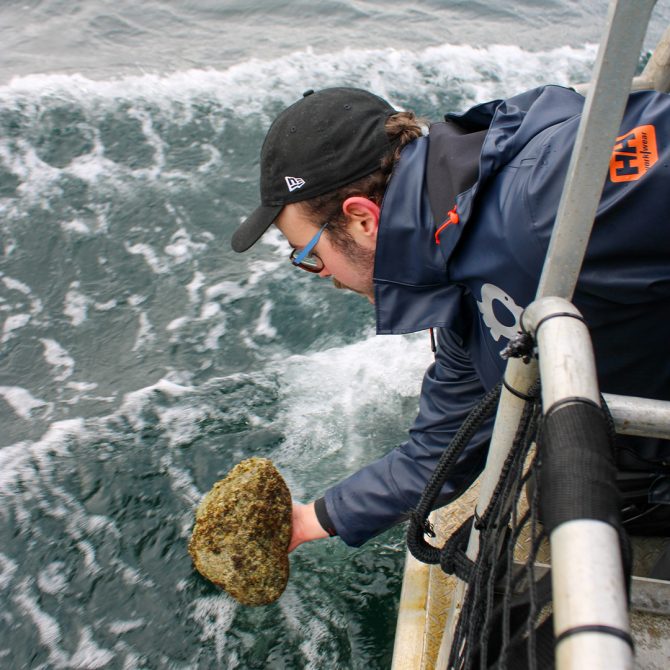
Because we grow the kelp ourselves, we have been able to test several different substrates for outplanting. Early trials used the Green Gravel method, but we found that the smaller rocks did not have enough weight to remain stable on the seafloor. We then shifted to larger cobbles and bricks. So far, large cobbles have proven to be the most effective substrate: they provide enough texture for the kelp’s holdfast (its root-like anchoring structure) to attach securely, while also being heavy enough to stay in place after deployment.
Monitoring and Progress
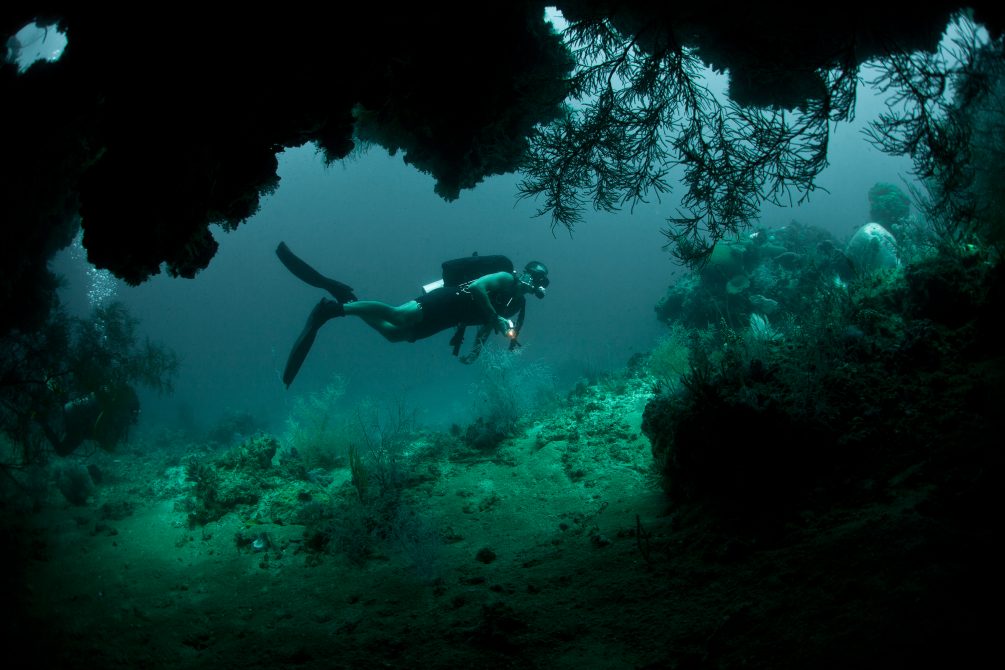
Restoration does not end when kelp is planted; it is only the beginning. Trained SCUBA divers monitor the site using transects, straight survey paths that allow researchers to consistently record the presence and abundance of plants, animals, and other ecological features over time. Monitoring has shown encouraging results. The restored kelp is growing successfully and has already become habitat for decorator crabs, sea stars, and other marine life. In a relatively short period, the developing kelp forest has begun doing what kelp forests do best: creating food, shelter, and structure for a diverse community of ocean inhabitants.