Seaforestation
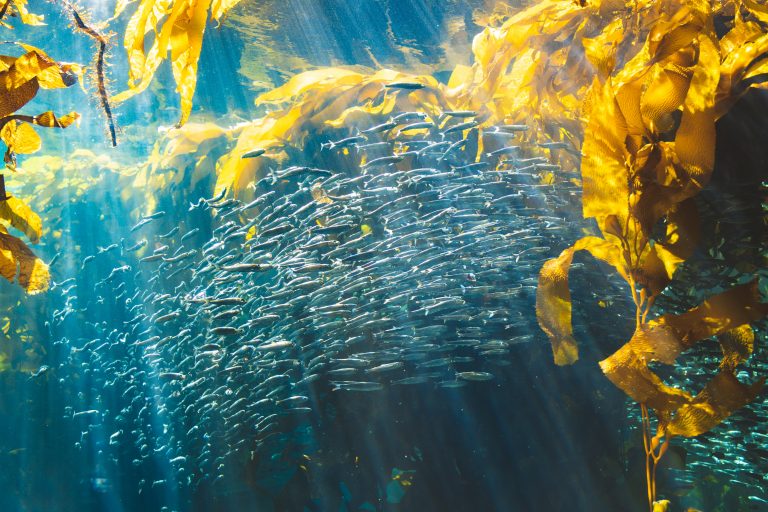
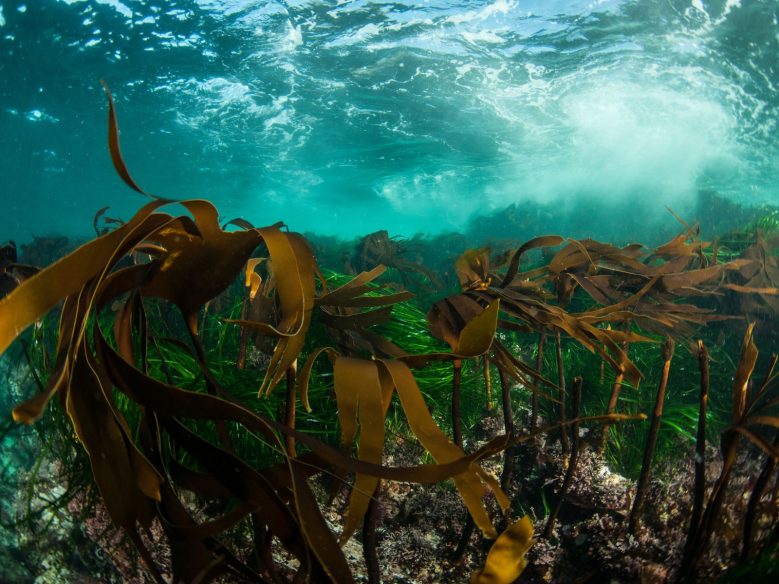
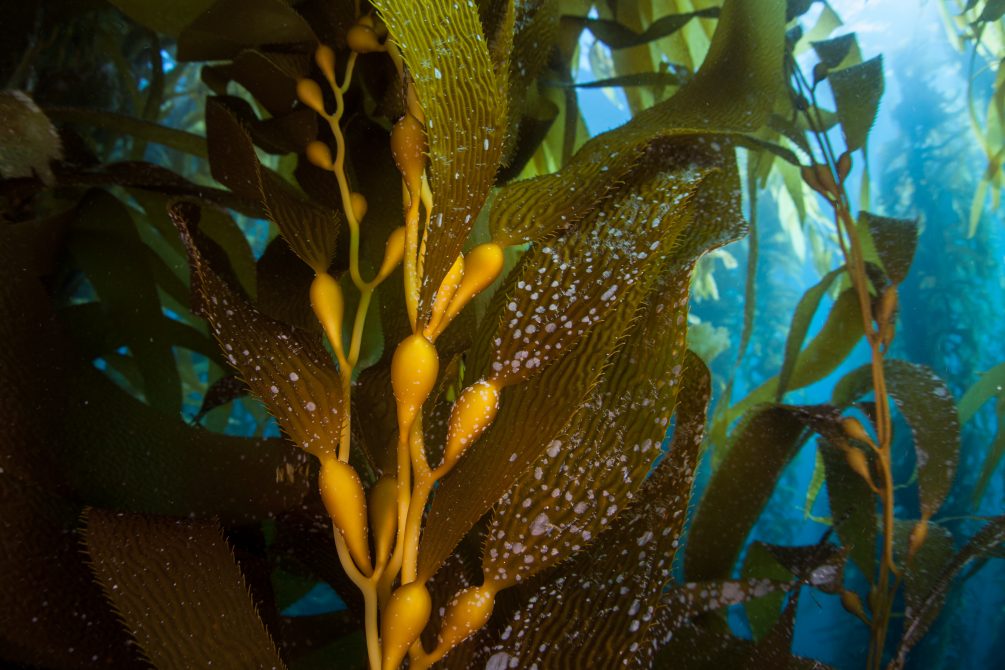
Incredible ecosystems that are full of marine life, kelp forests are essential to countering the effects of global warming.
25-30%
of the world’s coastlines are protected by kelp forests, which act as natural buffers against coastal erosion from strong waves
Thousands
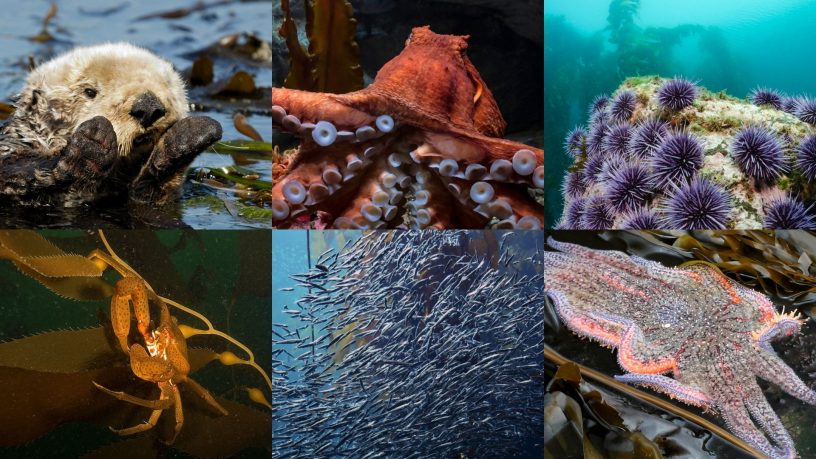
of species rely on kelp for food, shelter, and breeding grounds, from tiny invertebrates to marine mammals.
Over 50%
of kelp forests have declined in the past 50 years primarily due to climate change and ecosystem imbalances
Restoring Our Underwater Forests
Kelp forests are foundational for life both underwater and on land. They support an astonishing array of biodiversity and provide essential ecosystem services.
Unfortunately, kelp forests are currently in danger. Over the last 50 years, kelp forests around the world have declined at a significant rate due to climate change, ecosystem imbalances, and ocean pollution. And with half of existing kelp forests being degraded or damaged, the need for restoration has never been more pressing.
Ocean Wise is working to restore kelp forests at scale to responsibly maximize environmental returns. And we’re inviting partners to join us on this endeavour!
Our Seaforestation Work
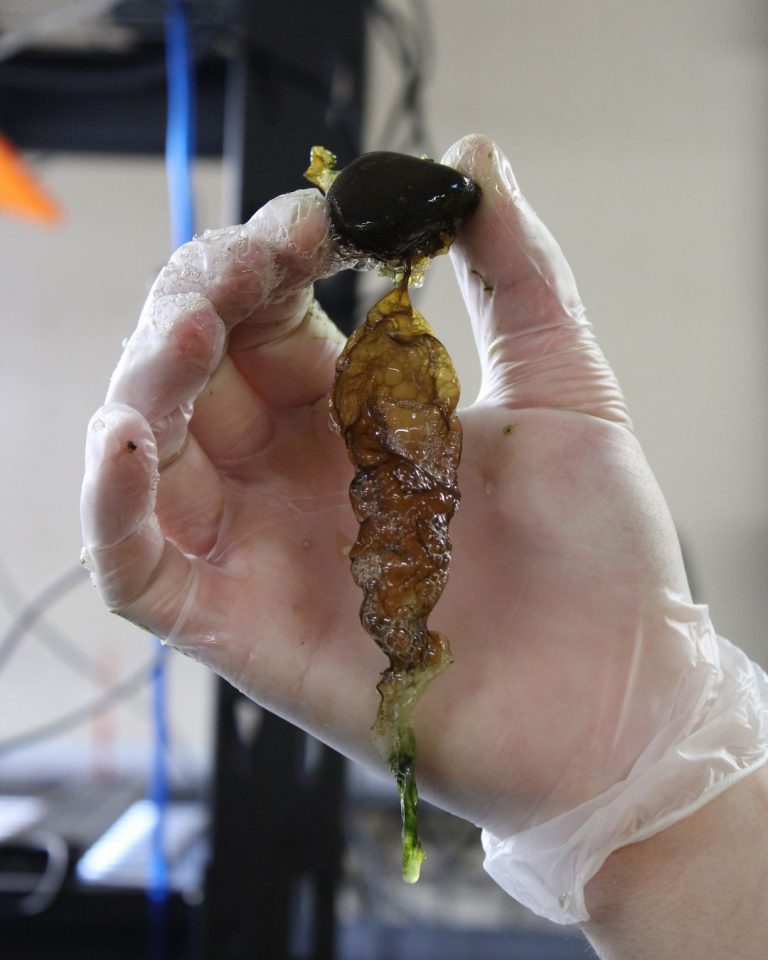
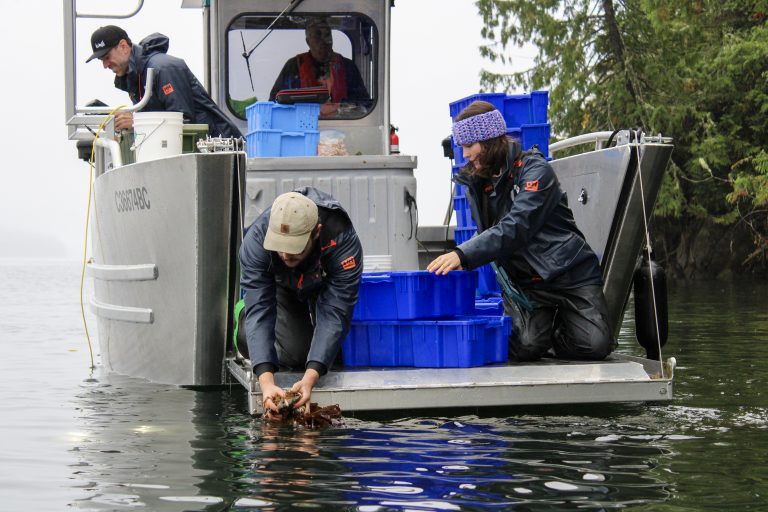
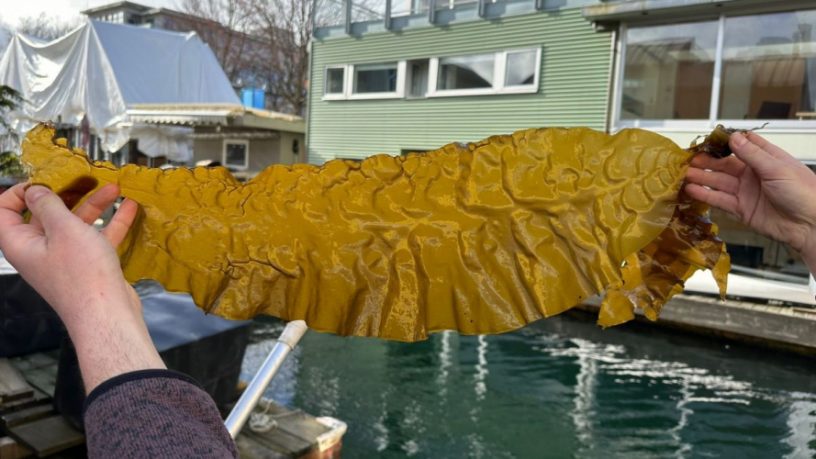
Ocean Wise works with kelp farmers, Indigenous groups, and scientists to protect and restore these critical marine ecosystems in Canada.
The value of kelp forests extends beyond environmental. As powerful natural allies, they mitigate climate change and provide critical habitats for marine biodiversity. But they also anchor coastal communities—supporting livelihoods, cultural traditions, and sustainable economies. By restoring kelp ecosystems, we are not just rebuilding underwater forests; we are investing in a healthier planet, stronger communities, and a legacy of stewardship for future generations.
Scott Bohachyk
Ocean Wise, Director of Seaforestation