Why Whale Safety Isn’t the Same in Canada and the U.S.—And What Can Be Done About It
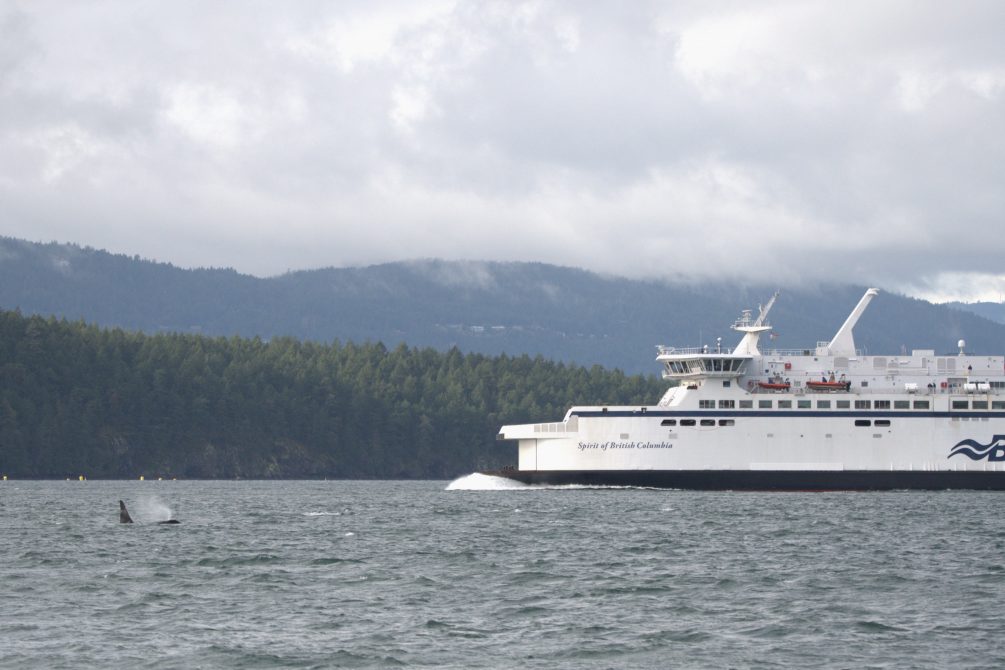
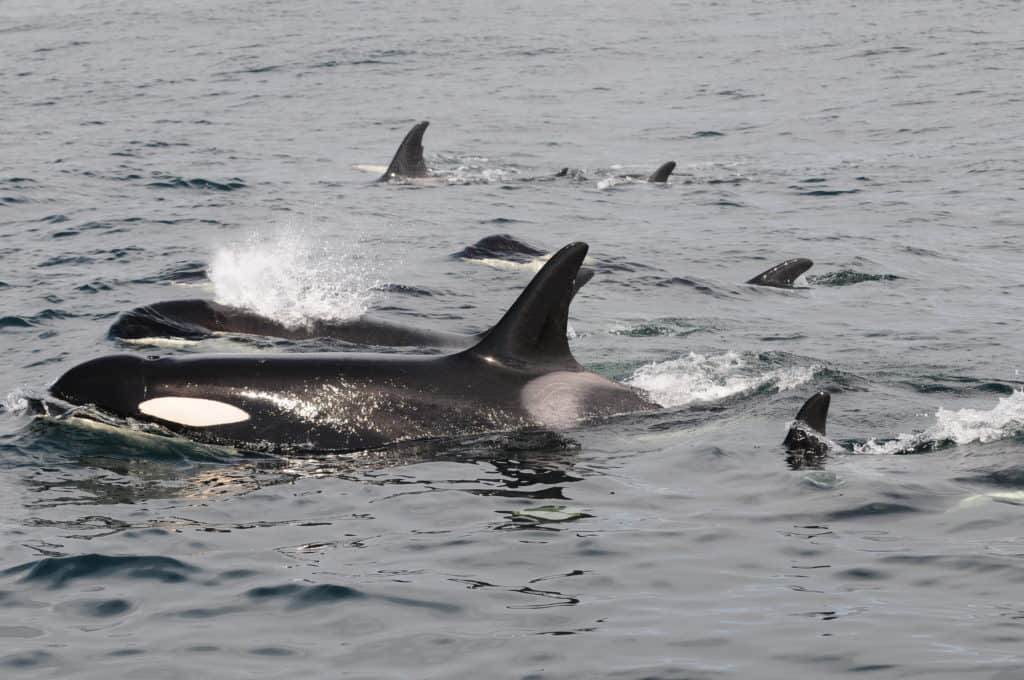
Experts urge swift, coordinated action to close protection gaps and prevent rising collision threats.
[December 9, 2025, Vancouver] A new study from Ocean Wise, “Bridging borders: Toward alignment of environmental regulations in the Salish Sea for whale conservation”, published in Marine Policy, examines how inconsistent environmental regulations between Canada and the United States are undermining efforts to protect endangered whales and their prey in the Salish Sea.
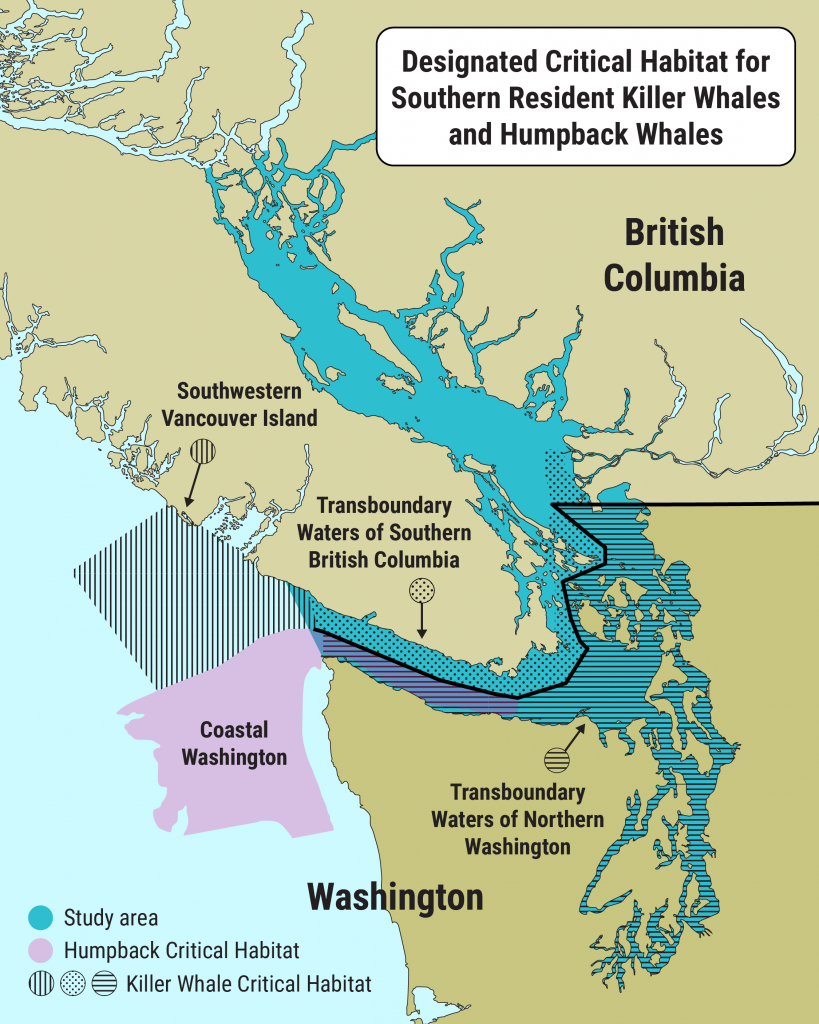
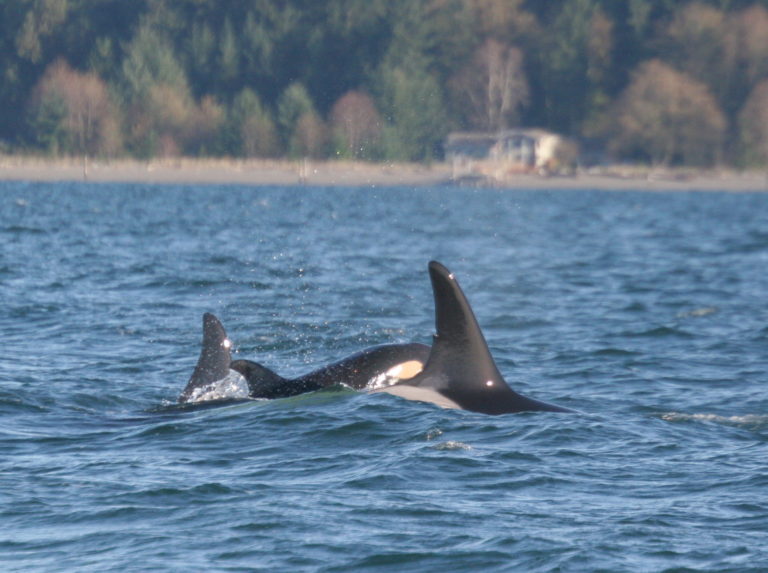
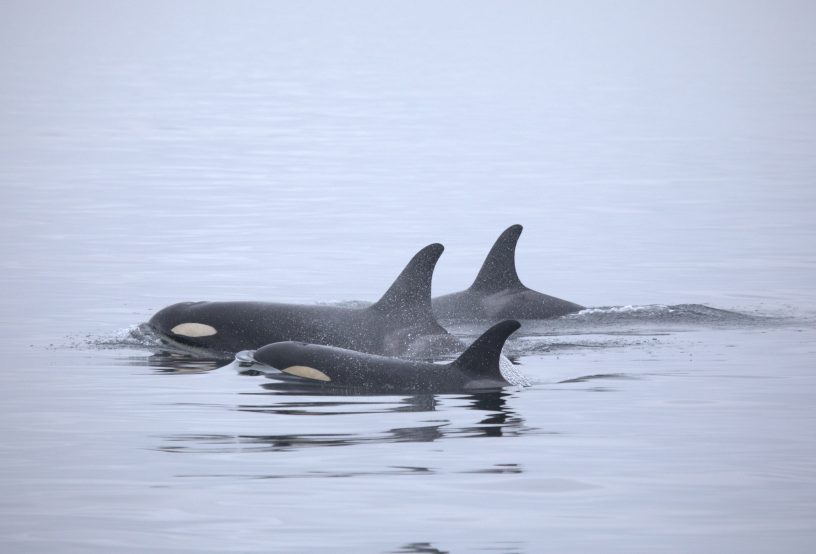
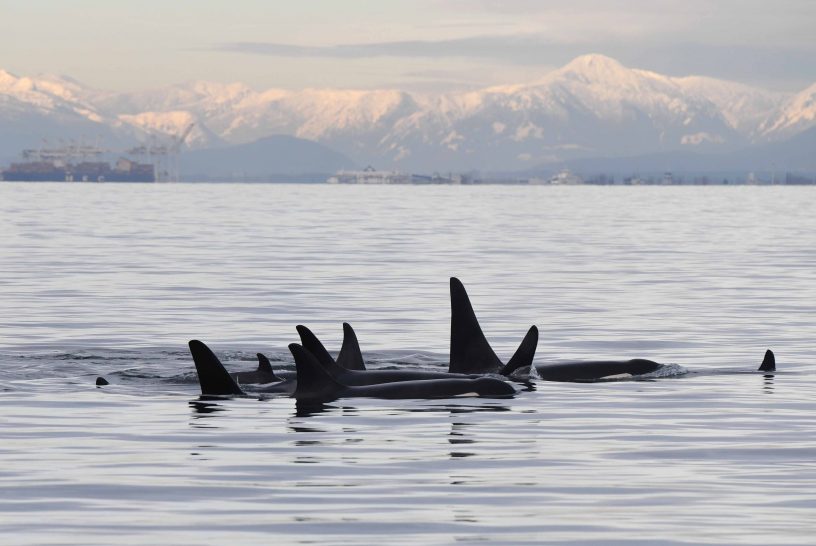
The Salish Sea is an ecologically significant waterbody spanning from Washington State (U.S.) in the south and British Columbia (Canada) in the north. It encompasses important habitat for Southern Resident killer whales and humpback whales, both of which suffer from the impacts of vessel disturbance, reduced prey availability, and ocean pollution.
The study, conducted by Dr. Chloe Robinson as part of their fellowship with the Salish Sea Institute, used a mixed-methods approach, combining the review of 25 environmental laws and regulations with semi-structured interviews with federal, state, and provincial experts from both countries. Policies were categorized by relevance to whales, their prey, or both, and analyzed for cross-border discrepancies.
Although these whales move freely across the international border, the regulations that are meant to protect them do not.
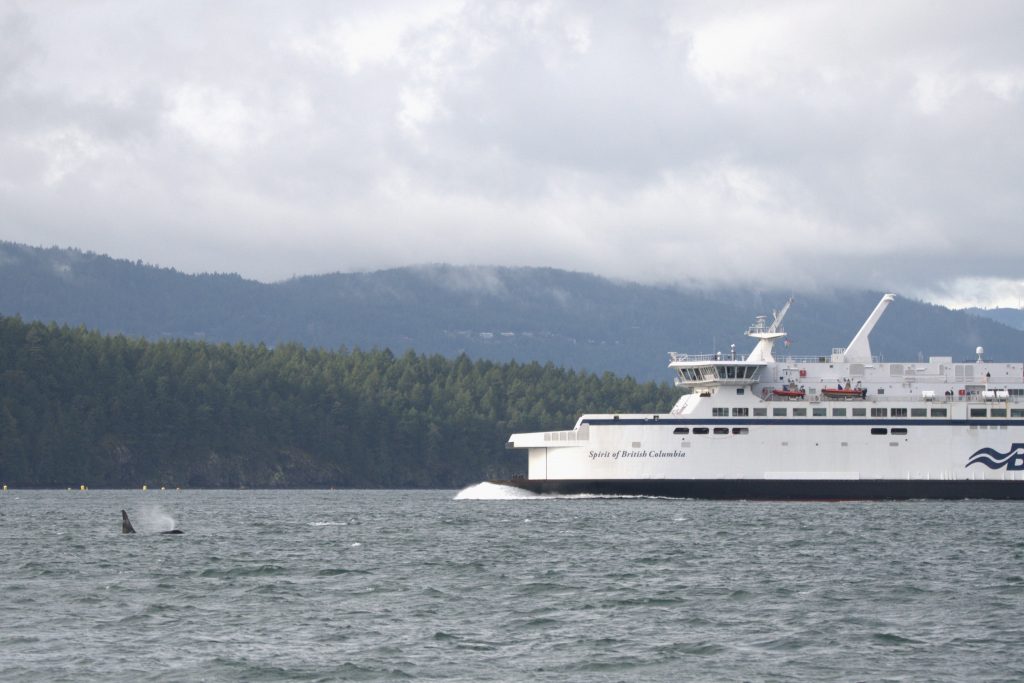
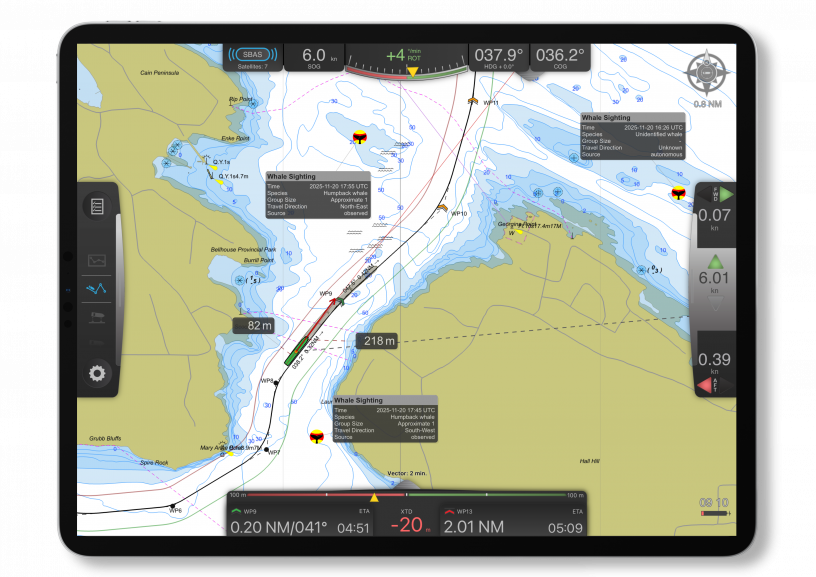
While existing measures such as seasonal slowdowns managed by the ECHO Program (Canada) and Quiet Sound (U.S.), along with situational awareness tools like Ocean Wise’s Whale Report Alert System (WRAS), provide important benefits, the study identified substantial gaps in alignment at the legal level.
Key discrepancies identified include differences of up to 600 metres in vessel approach distances between Canada and the U.S., the absence of Chinook salmon population listings under Canada’s Species at Risk Act, and stricter pollution enforcement mechanisms in the U.S. compared with Canada. The study, a more detailed version of a report published by the Salish Sea Institute in July 2025, concludes that these misalignments are contributing to heightened extinction risk for Southern Resident killer whales and increasing threats to humpback whales throughout the region.
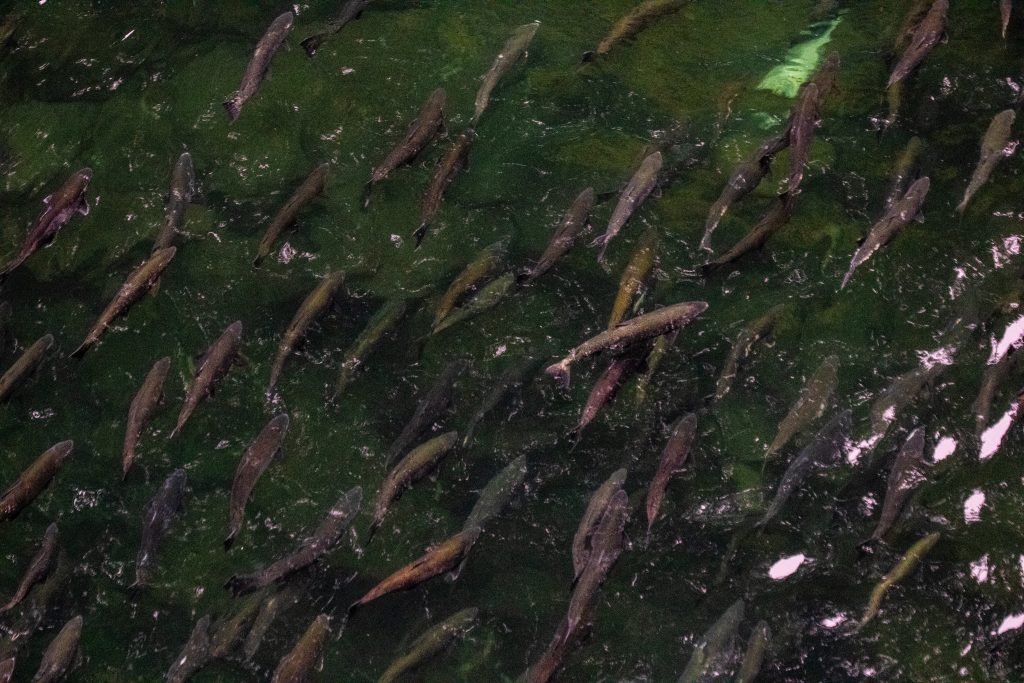
“Whales do not recognize the invisible line drawn across their habitat. The Salish Sea is an area where a whales see drastic changes in protection, especially related to how close vessels can get, either side of this line” – Dr. Chloe Robinson, author and Strategic Advisor & Technical Lead of the Whales Initiative at Ocean Wise.
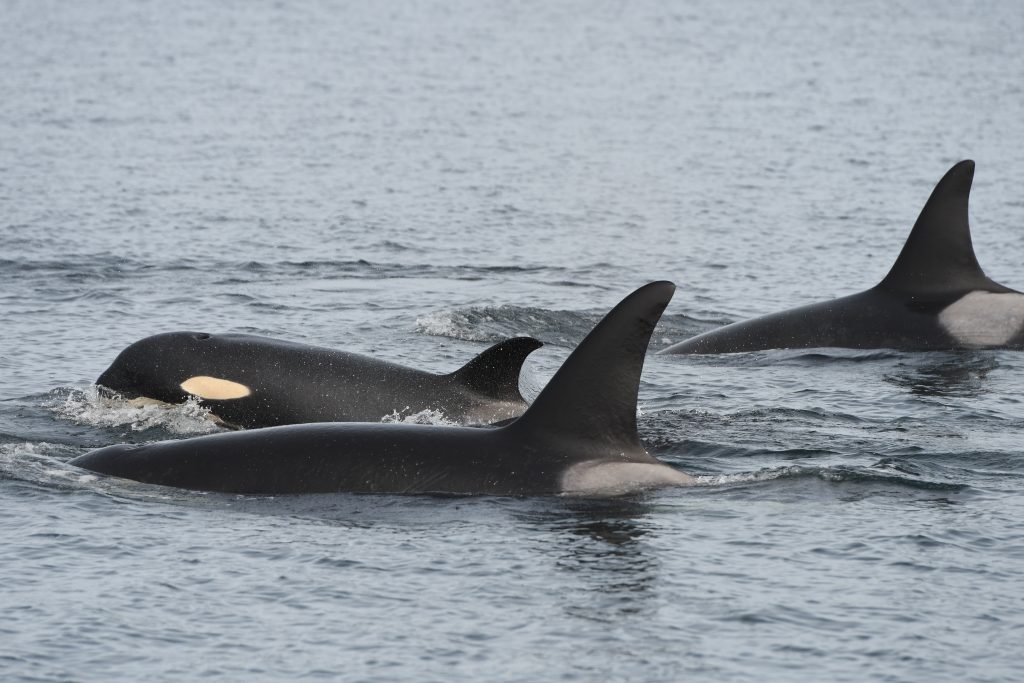
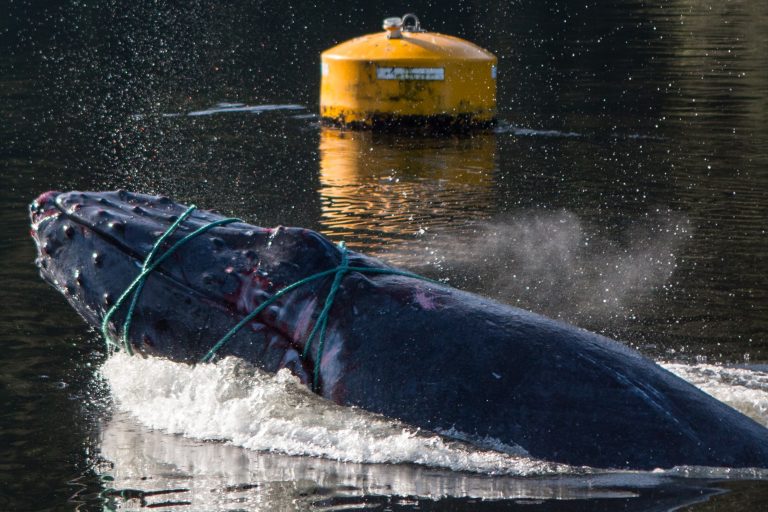
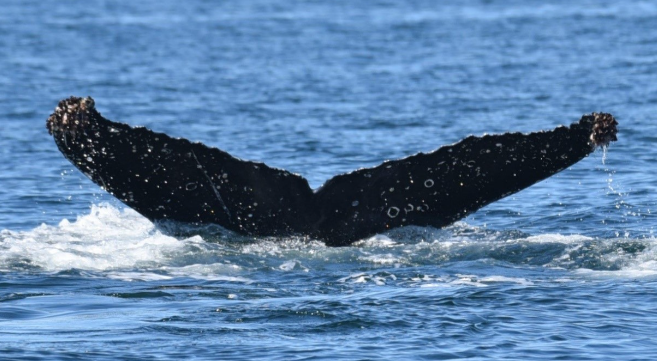
The study also highlighted the lack of regulations aimed at protecting humpback whales, warning that the absence of species-specific safeguards leaves this recovering population vulnerable to preventable threats such as vessel strikes and entanglement. This concern is underscored by the three recent humpback whale vessel strikes reported recently in the Salish Sea, illustrating how escalating human activity is directly increasing risk for the species.
Improving alignment between Canadian and U.S. regulations could immediately enhance protection for at-risk species by reducing vessel noise, lowering strike risk, increasing prey availability, and ensuring that critical habitats are protected consistently.
“We’ve already heard from managers in Washington state and British Columbia that the preliminary findings are of high interest and are likely to result in some greater harmonization of policies. I’m thrilled to see it published in Marine Policy.” – Ginny Broadhurst, Director of the Salish Sea Institute.
This work must also go hand-in-hand with strengthened co-management with Indigenous and Tribal Nations, whose governance, knowledge, and longstanding stewardship of these waters are fundamental to creating resilient, transboundary conservation strategies.
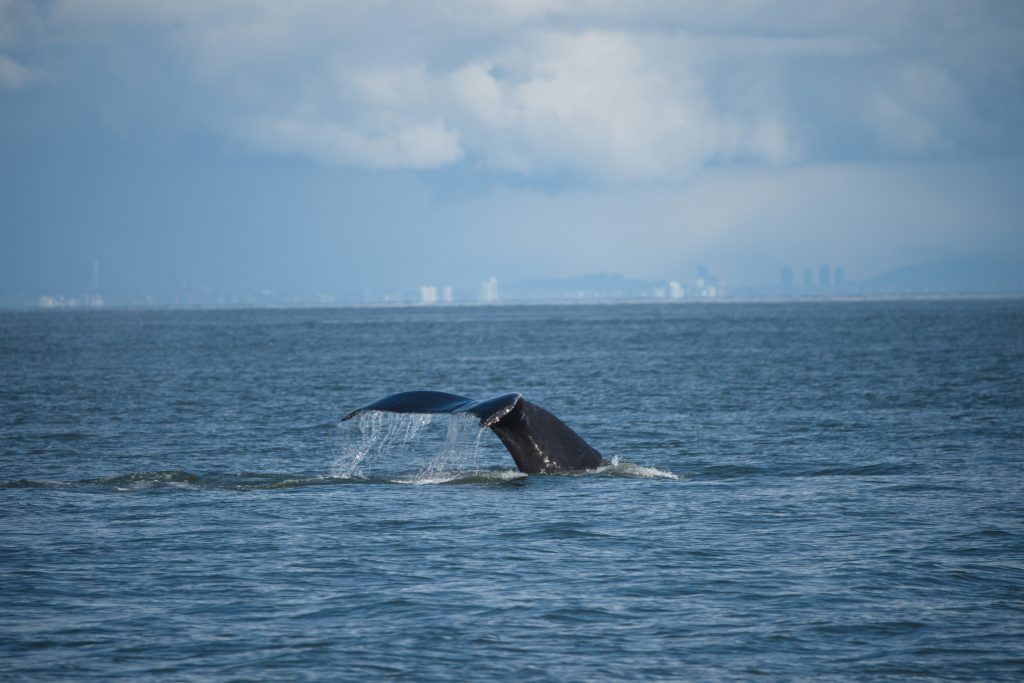
With growing human activity and rapidly intensifying threats, aligning protections across borders is no longer optional, it is essential to ensuring the survival of Salish Sea whales for generations to come.
This study was made possible thanks to the generous support of the Salish Sea Institute, donors to the Ocean Wise Killer Whale Adoption Program, and the several anonymous reviewers.
Media Contact
Nic Schulz
Director, Communications and Engagement
[email protected]
About Ocean Wise
Ocean Wise is a global conservation organization on a mission to build communities that take meaningful action to protect and restore our ocean. Through research, education, innovation, and collaboration, we are turning the tide on three major ocean challenges: plastic pollution, overfishing and climate change. By creating communities of concern that include industries, governments, and everyday citizens, we create a future where our ocean and the people who depend on it can thrive. Ocean Wise is headquartered in Vancouver, British Columbia with work reaching over two dozen countries around the globe.
Posted December 8, 2025 by Nic Schulz