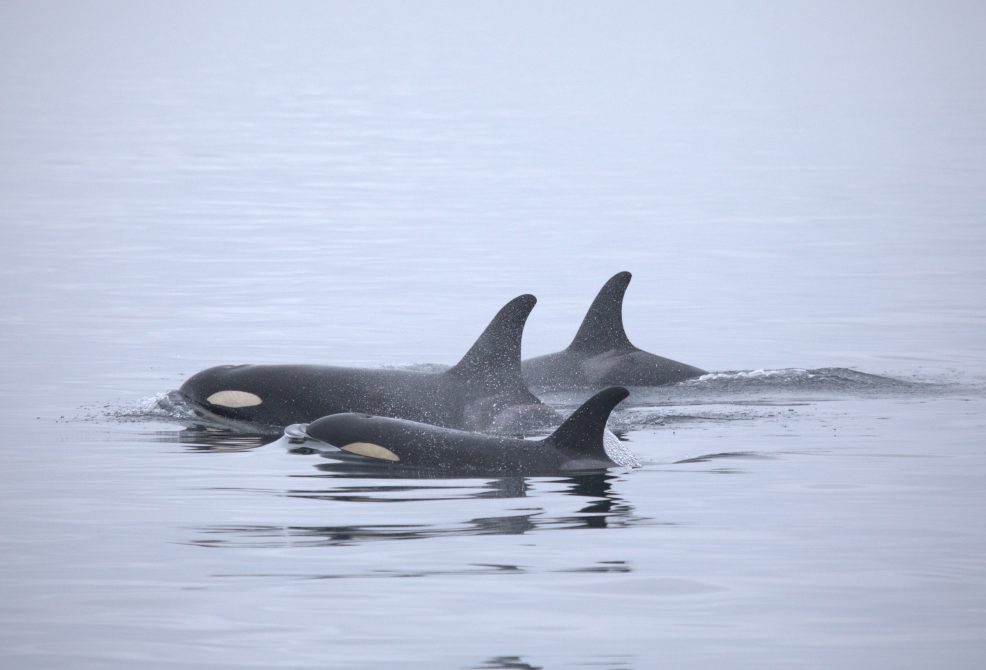
The high price of motherhood in Northern Resident killer whales

March 3, 2026 – New study finds that the demands of maternal care can have lifelong impacts in this threatened population.
There’s no question that the demands of raising offspring impose significant challenges on parents, human or otherwise. But are the physiological consequences worse for some species than others? For at-risk populations, rearing the next generation is critical not only for an individual’s own genetic legacy, but also for the future of the species.
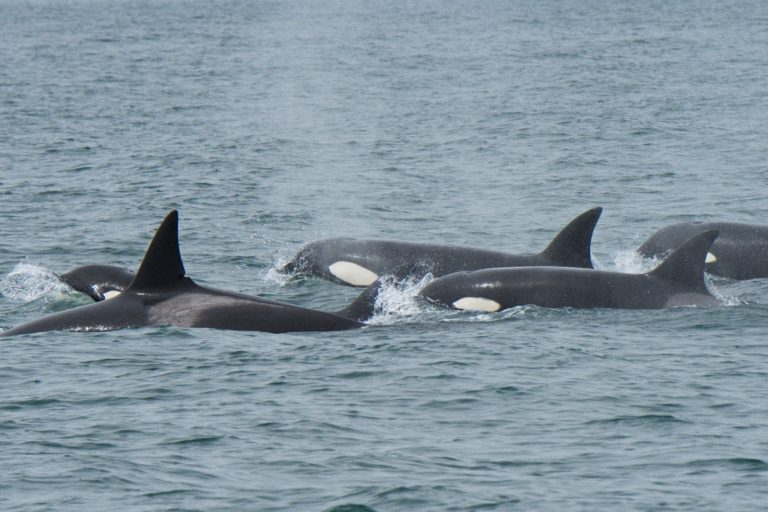
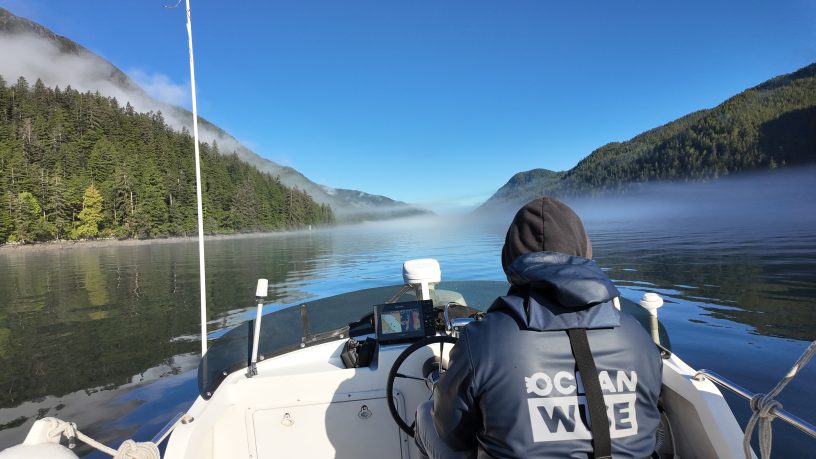
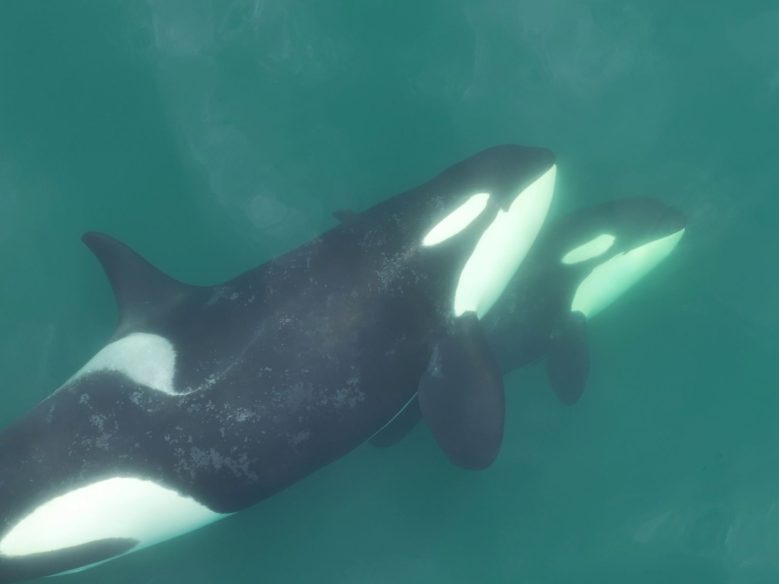
A new study published in Scientific Reports by a team of scientists from Ocean Wise, Raincoast Conservation Foundation and the University of Victoria demonstrates that, for killer whales, the costs of motherhood can last a lifetime. Over a period of 10 years, researchers used drones to collect aerial photographs of Northern Resident killer whales (NRKW) every summer in the waters around northeastern Vancouver Island and the central coast of British Columbia. By measuring each female’s “fatness” from these images, the team was able to compare the annual changes in individual body condition associated with pregnancy and lifelong caregiving.
Unsurprisingly, females gained fat during the latter stages of pregnancy then experienced a steep decline in fat levels while nursing. This decline appears to persist until the third year after a calf is born, around the time of weaning. Interestingly, however, the authors found substantial variation in recovery timelines among individual females, with some mothers returning to their pre-pregnancy condition relatively quickly while others seemingly struggle for years.
In killer whales (as in humans!), the costs of raising the next generation do not end after the calf is weaned; motherhood is a lifelong commitment. The authors found that females with more offspring were in worse condition for their age than females with fewer offspring. This suggests that lifelong parental care takes a measurable toll on the health of NRKW mothers.
“These results really show that, for killer whales, a mother’s work is never done,” says Amy Rowley, a co-author on the study. “We expected to see the acute demands of lactation reflected in female body condition, but there’s also a cumulative impact over the long term that points to continued parental care at a cost to the mother’s own health.”
Prey were relatively abundant throughout the study and year to year fluctuations did not appear to influence the relationships found, but the authors stress that other killer whale populations may show different patterns. In sustained periods of prey shortage, such as the closely-related Southern Resident killer whales are believed to be experiencing, females might struggle to meet the costs of parenting, which could impact birth rates or survival.
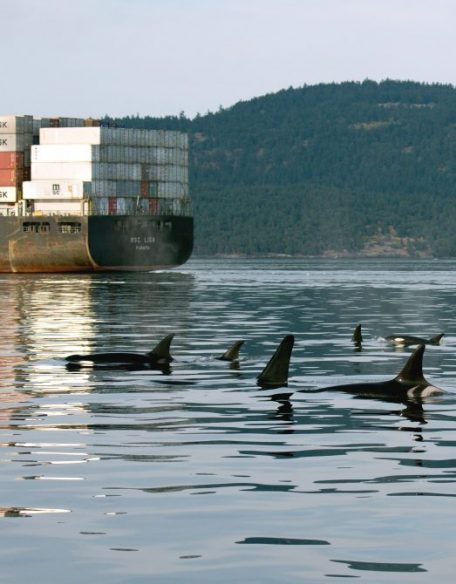
“It was exciting to find that social factors can have a strong impact on an individual’s condition,” says lead author Sharon Kay. “But it’s important to realize that anthropogenic stressors such as reduced food availability, noise pollution, and chemical contaminants may compound these inherent demands.”
This study reveals the high cost of motherhood for female killer whales. The sobering reality is that the very investment required to raise the next generation leaves mothers physiologically compromised. While the threatened Northern Resident population has shown steady growth in recent years compared to the endangered Southern Residents, both populations remain fragile.
“As the biological backbone of their society, the health of reproductive females is the single most critical factor in population resilience,” says co-author Brittany Visona-Kelly. “To ignore the burden placed on these mothers is to risk a demographic collapse.”
Identifying factors that limit population growth and recovery is only step one. Conservation managers must prioritize prey availability and quieter foraging areas, not as a luxury, but as a biological necessity for survival of at-risk whale populations. Findings from this study underscore that females remain vulnerable irrespective of environmental pressures. Simply put, if we fail to protect these susceptible mothers, we fail to protect the species.
Citation
Kay SWC, Rowley AG, Visona-Kelly BC, Barrett-Lennard LG, Thompson PR. Sutton GJ, Fearnbach H, Durban JW, Darimont CT. 2026. Costs of maternal care revealed through body condition in Northern Resident killer whales (Orcinus orca) Scientific Reports. https://doi.org/10.1038/s41598-026-38696-0
Press contacts
Sharon Kay
[email protected]
+64 027-225-5367 (New Zealand)
235-788-2308 (Canada, online calls only)
Amy Rowley
[email protected]
778-903-3119
Brittany Visona-Kelly
[email protected]
604-659-3848
Press assets
Folder with assets that can be used with attribution.
Authors
Sharon W.C. Kay1,2,3*, Amy G. Rowley3, Brittany C. Visona-Kelly2, Lance G. Barrett-Lennard3,4, Peter R. Thompson5, Gary J. Sutton2, Holly Fearnbach6, John W. Durban7, Chris T. Darimont1,3
Affiliations
- University of Victoria, Department of Geography, Victoria, British Columbia, Canada
- Ocean Wise Conservation Association, Vancouver, British Columbia, Canada
- Raincoast Conservation Foundation, Sidney, British Columbia, Canada
- University of British Columbia, Vancouver, British Columbia, Canada
- Simon Fraser University, School of Environmental Science, Burnaby, British Columbia, Canada
- SR3, SeaLife Response, Rehabilitation and Research, Des Moines, Washington, U.S.A.
- Anderson Cabot Center for Ocean Life, New England Aquarium, Boston, Massachusetts, U.S.A.
Posted March 2, 2026 by Nic Schulz