Ocean Wise Launches First Live Underwater Kelp Restoration Camera in British Columbia
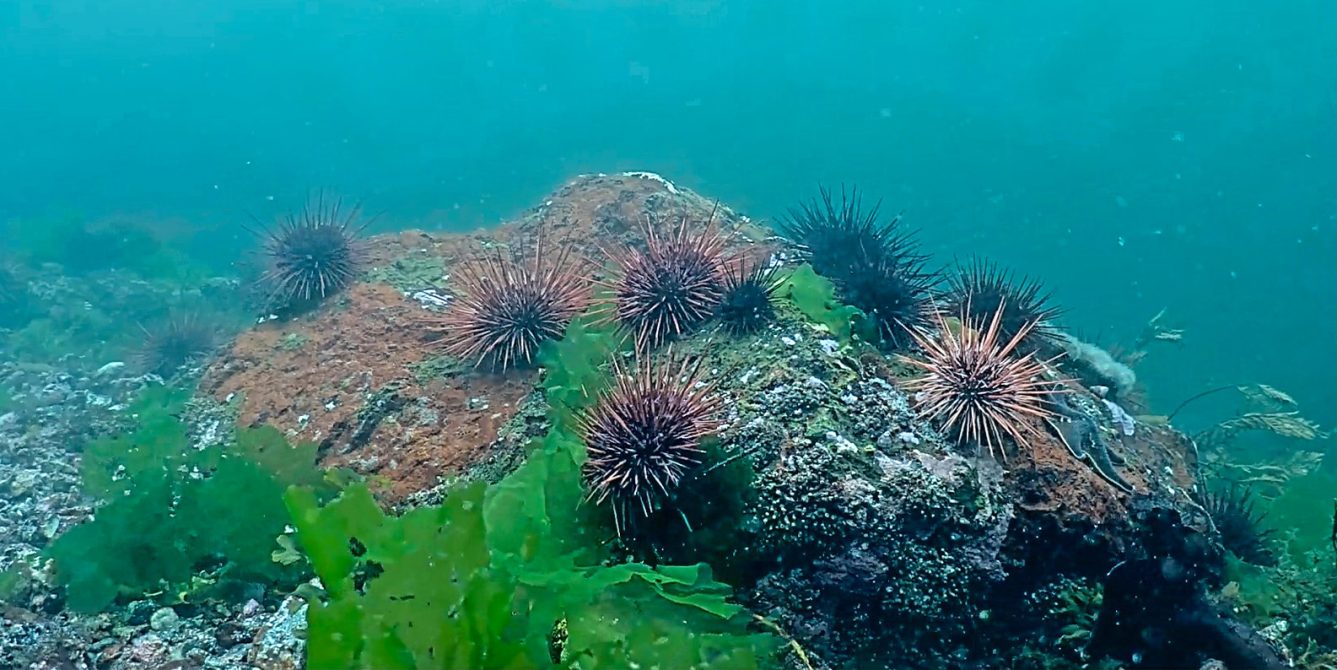
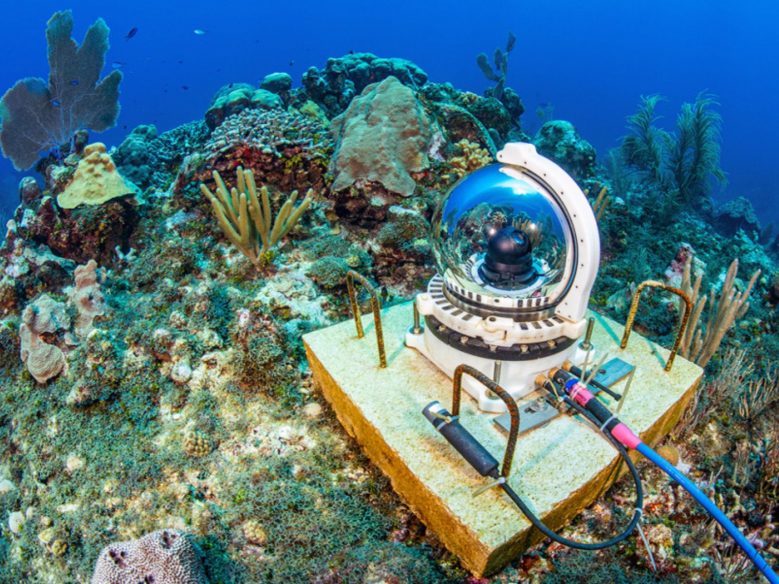
Vancouver Island, B.C. — Ocean Wise is giving the public a rare, real-time view of ecosystem restoration with the launch of a new underwater livestream camera in Barkley Sound.
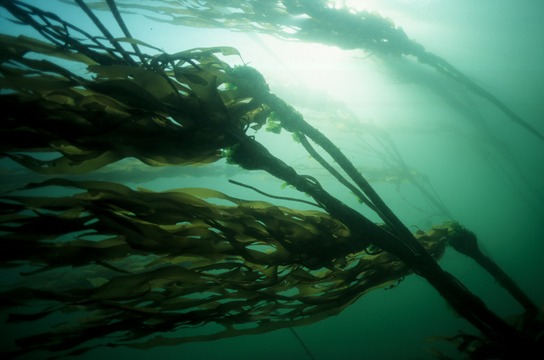
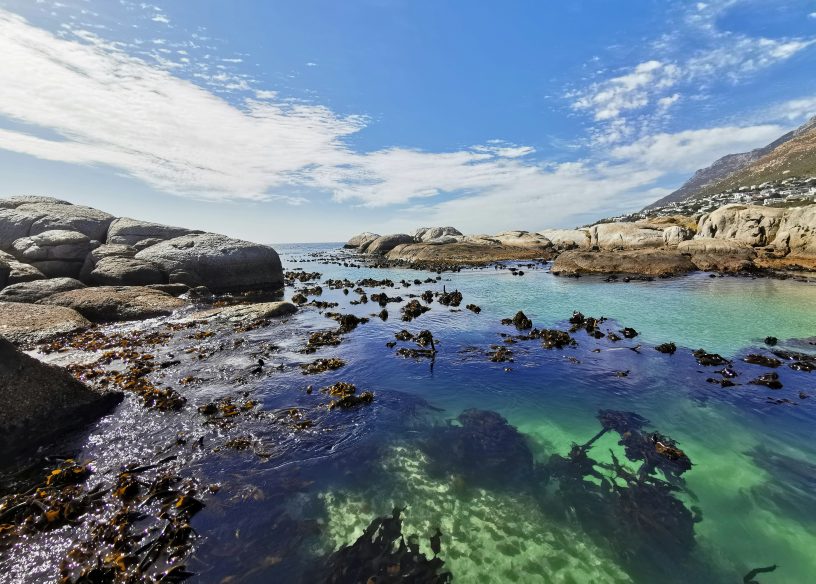
Located on the west coast of Vancouver Island, the camera overlooks an inlet that was once home to a thriving kelp forest but is now dominated by a dense population of red sea urchins. The livestream will allow viewers to follow the ecosystem’s transformation as Ocean Wise tests targeted urchin harvesting as a pathway to kelp forest recovery.
This shift from kelp forest to urchin barren isn’t isolated to Barkley Sound. It’s becoming increasingly common along British Columbia’s coast.
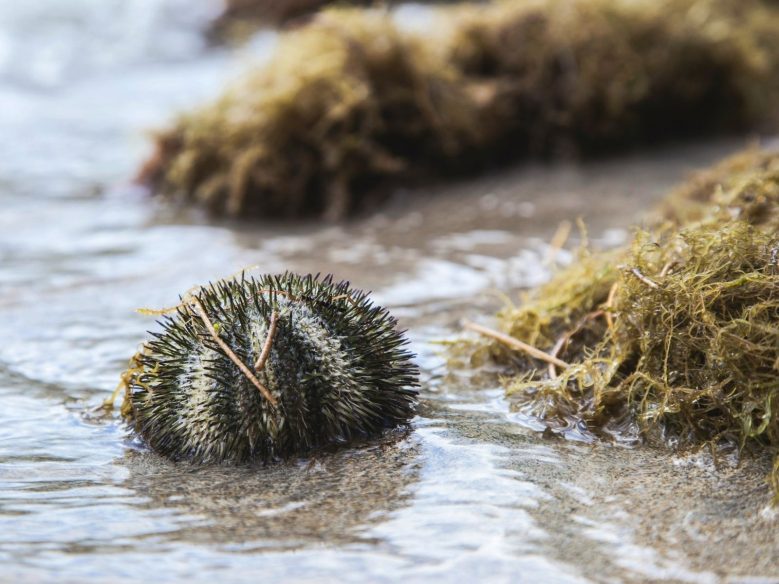
While sea urchins have called British Columbia’s coastline home for thousands of years, the decline of their key predators, including sea otters and sunflower sea stars, has disrupted the balance of these ecosystems. The collapse of predator populations alongside urchins’ ability to survive for years with very little food has allowed urchin populations to grow rapidly.
The livestream site is the focus of a new restoration project led by Ocean Wise in partnership with the Tseshaht First Nation and the Pacific Urchin Harvesters Association (PUHA) testing targeted urchin harvesting as a tool to support kelp forest recovery in B.C. The site was selected based on historical records of kelp presence and its proximity to a healthy kelp forest, increasing the likelihood of kelp reclaiming the site once grazing pressure is reduced.
The goal of this project is not to remove the urchins completely, but to simply restore ecological balance and create the conditions needed for kelp to naturally return. Sea urchin, or t̕uc̕up, is a traditional food source for many coastal First Nations in British Columbia, and all harvested sea urchins will be distributed among the Tseshaht First Nation and neighboring communities.
View the livestream here.
Learn more about our ongoing restoration work here.
Quotes:
“Kelp restoration is still a relatively new field of ocean conservation,” said Dr. Dalal Al-Abdulrazzak. “By launching this livestream, we’re not only increasing the public’s awareness of marine habitat restoration, but also expanding our own scientific understanding of the complex interactions between kelp, sea urchins, and the broader ecosystem.”
“Many of our kelp restoration sites are in remote locations, making long-term monitoring both time-consuming and costly. This livestream provides continuous, non-invasive monitoring of the restoration site, giving us real-time data to track ecosystem changes and measure the success of this new approach to kelp forest restoration. Over time, it will also help reduce the cost of monitoring these remote sites.” — Dana Janke, Ocean Wise Seaforestation Specialist
Background Information
- Kelp forests are highly productive ecosystems that support fisheries, maintain food web diversity, and help protect shorelines from erosion.
- Kelp forests cover an estimated 25–30% of the world’s coastlines and are among the most widespread coastal ecosystems, 5x more abundant globally than coral reefs.
- Over the past 50 years, more than 50% of kelp forests have declined worldwide. Key drivers include ecosystem imbalance—particularly sea urchin overgrazing—and ocean warming linked to climate change.
- Urchin barrens form when elevated sea urchin grazing pressure prevents kelp forests from regenerating, shifting once-productive ecosystems into low-diversity rocky habitats.
- After consuming the available kelp and creating a barren, sea urchins can persist in a low-activity state for years, waiting for new growth to appear before resuming grazing and preventing the forest from fully returning.
Media Contact
Kim Bricker – [email protected]
Posted August 7, 2026 by Kim Bricker