Meet the Humpback Whales of the North Coast
2026 Humpbacks of the North Coast Catalogue is Now Live!
Over the past year, thanks to the sightings from our Ocean Wise network, and the dedicated efforts of our whale experts and collaborators, 30 new humpback whale individuals were documented in Chatham Sound on the North Coast of British Columbia (BC), 22 of which have been recorded in BC waters for the first time. This brings the total to 507 uniquely identified humpbacks in Chatham Sound and the surrounding waters of BC’s North Coast.
View the new catalogue and other identification guides here.
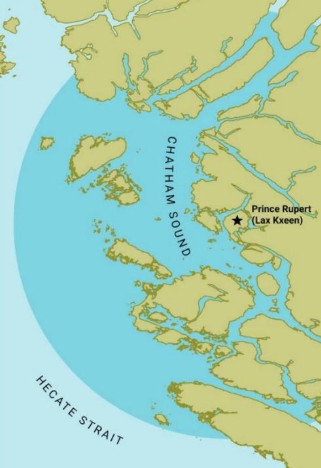
What Makes the North Coast a Humpback Hotspot? The Buffet, of Course!
The North Coast of BC is one of the richest feeding grounds for humpback whales in the North Pacific. A mix of ocean shelves, strong currents, and coastal upwellings creates nutrient-rich waters teeming with krill and herring.
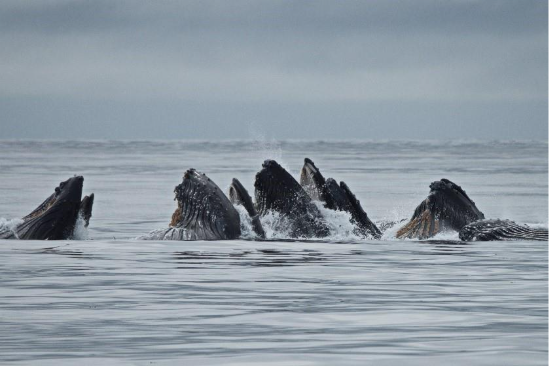
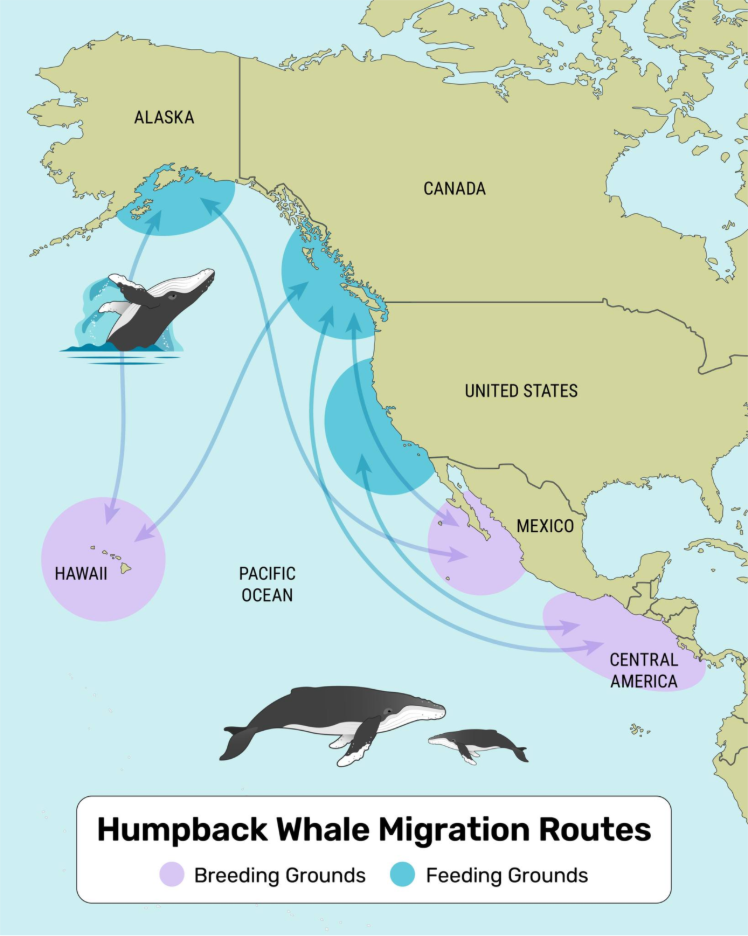
After spending their winters in the warm breeding grounds of Hawaii and Mexico, humpbacks return north to bulk up for the next migration. While the tropics offer safer waters for birthing, they lack the abundant food that makes the North Coast a foraging hotspot.
A Marathon on Empty
The whales in this catalogue migrate between 8,000 – 12,000 km round trip every year. With little food along the route, most fast the entire way, living off the energy reserves stored during their time in northern waters.
It is critical that we maintain these essential food sources to ensure they start the journey with the best chance for success. For some whales, especially mothers who are nursing calves, this journey comes at a steep price. Lactating females can lose over 210 pounds every day while in their warm breeding grounds. By the time they return north to feed, they can lose an average of 13% of their body weight.
The impacts go far beyond just weight loss. As their fat stores dwindle, whales lose the insulation that keeps them warm, the buoyancy that helps them glide, and the fuel that powers their long swim back to food. If fat stores run too low, their bodies may start breaking down muscle for energy.
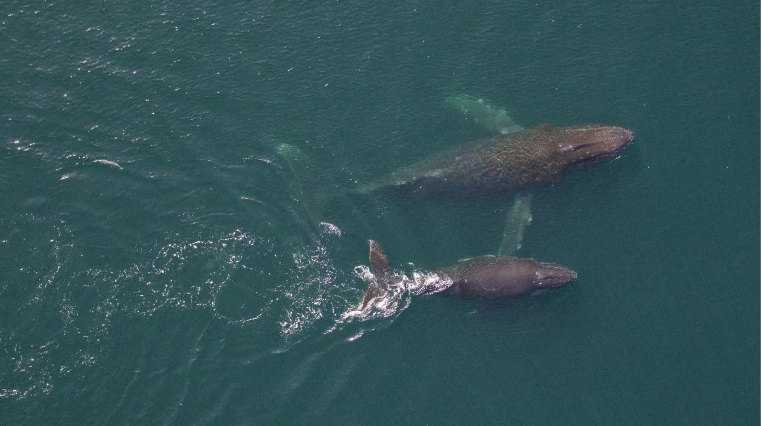
For these humpbacks, this journey is a calculated gamble: sacrifice body condition now to give birth and nurse in safe waters, then race north to replenish before the next migration. The stakes are high, and these whales depend on healthy feeding grounds on the North Coast to ensure these giants get the nutrients they need to keep making the trip year after year.
How We Identify Whales (And How You Can Help)
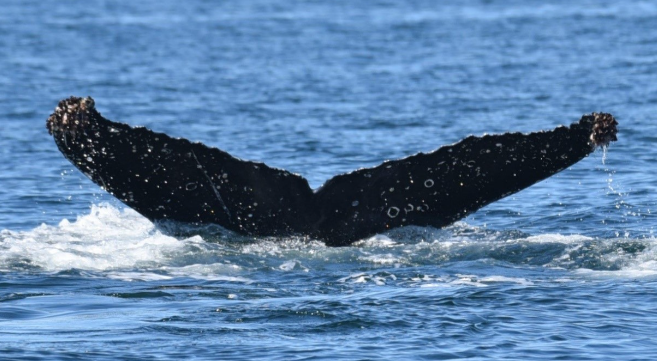
For over a decade Ocean Wise has been documenting whale presence on the North Coast of BC using minimally-invasive research methods such as photo-identification. When a humpback dives, it often raises its fluke (tail) above the surface. The underside of that fluke is unique to each whale, like a fingerprint, with distinctive patterns, shapes, and scars.
By photographing these flukes, we can:
- Track individuals across years and regions.
- Understand migration routes and site fidelity.
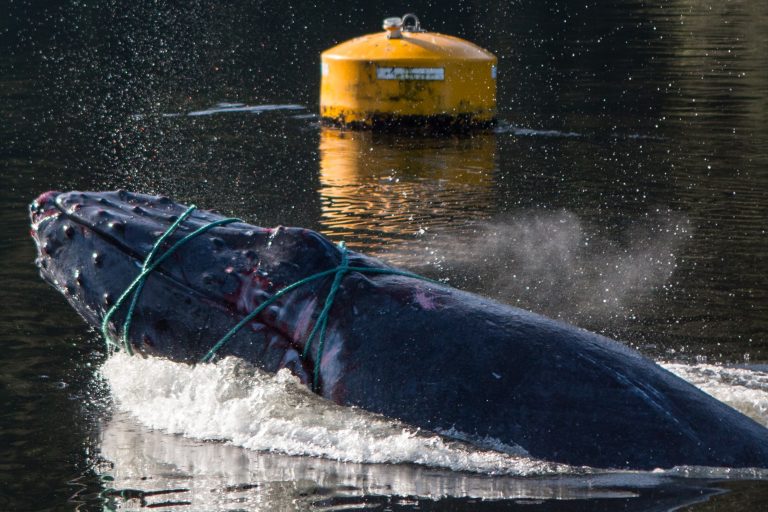
- Inform conservation efforts around ship strikes, underwater noise, and entanglement risks.
Have a fluke photo? Email it to [email protected] with the date, time, location, and you might help us identify a new whale!
Collaboration is Key
The Humpbacks of the North Coast Catalogue is part of a broader conservation effort to document humpback whales in BC. All sightings are submitted to the Canadian Pacific Humpback Collaboration (CPHC), of which we are a member. The CPHC is an initiative coordinated by the Marine Education and Research Society (MERS) in partnership with the North Coast Cetacean Society/BC Whales, Pacific Wildlife Foundation, Humpback Whales of the Salish Sea, Keta Coastal Conservation, Whales of Clayoquot and Barkley, Humpback Whales of the Hecate, and Ocean Wise Conservation Association. Together, we’re building the knowledge needed to protect these magnificent animals.
The humpback catalogue and Ocean Wise’s humpback whale research on the North Coast is supported by the Habitat Stewardship Program and The Prince Rupert Port Authority.
This article was written by Olivia Heintzman, a Research Assistant with Ocean Wise’s Whales Initiative.
Posted March 27, 2026 by Nic Schulz