I Helped Build a Whale Out of a Truck. Here’s Why
By Sam Morassutti, Ocean Action Grant Recipient, Orcar
I live in Squamish, BC on Skẃx̰wú7mesh (Squamish Nation) territory, at the edge of the Atl’ka7tsem / Howe Sound UNESCO Biosphere Region. Where the mountains and ocean meet.
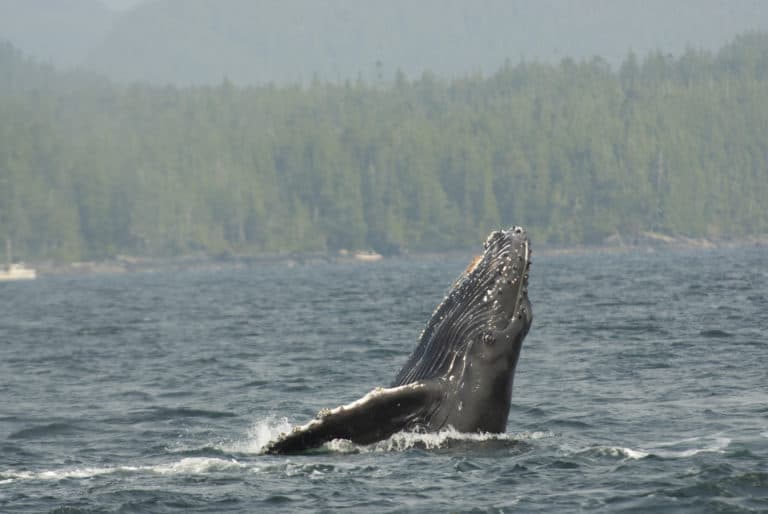
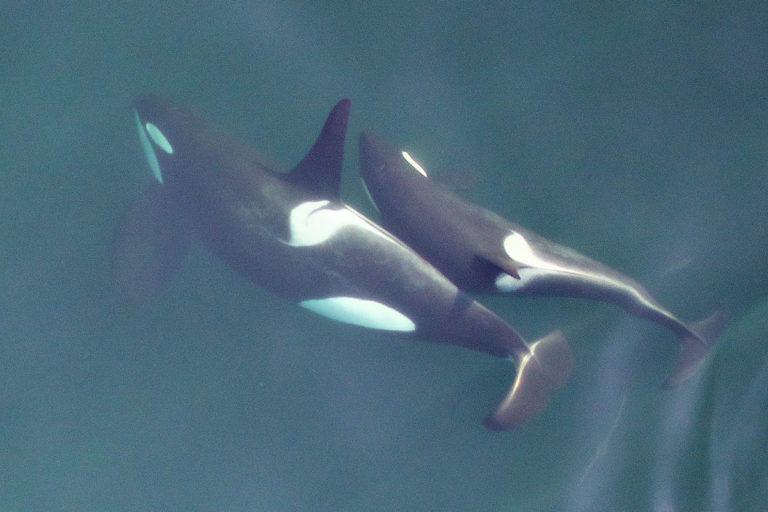
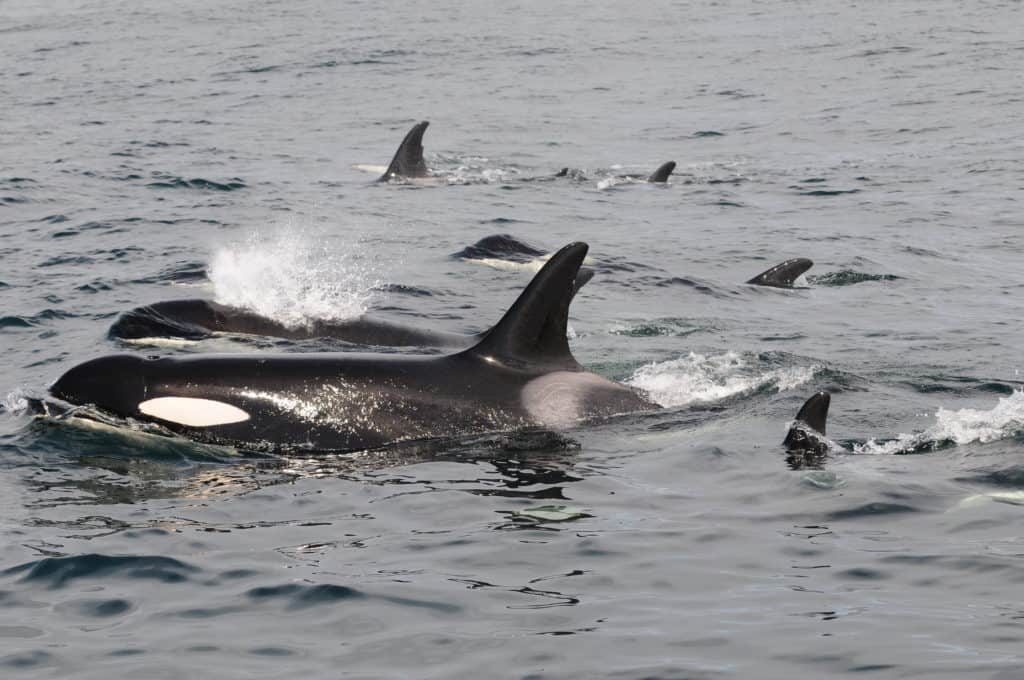
The critically endangered Southern Resident orcas pass through this region. With fewer than 75 individuals left, their survival is tangled up with the same systems of consumption and fossil fuel use that shape everyday life. This decline traces back to three compounding pressures: a shortage of Chinook salmon, their primary food source, as warming waters disrupt salmon runs; underwater noise from vessel traffic that drowns out the echolocation they rely on to hunt; and toxic contaminants that build up in their fat reserves over a lifetime. Diesel is at the center of these issues. The same fuel burned in the trucks on our highways also powers the container ships crowding the Salish Sea, and the emissions from both are warming the waters these whales and their prey depend on.
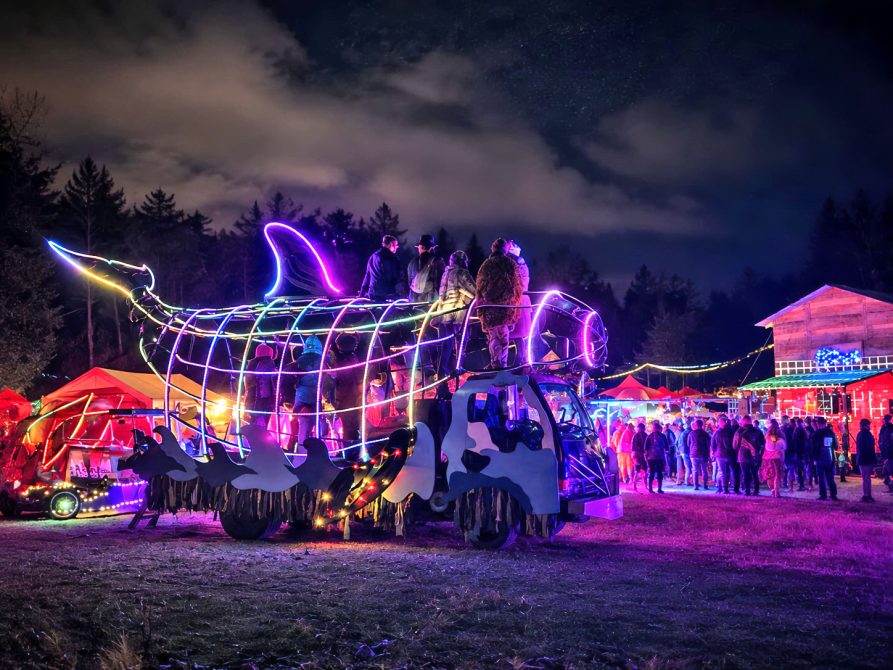
That connection is what led to the Orcar: a 20-foot illuminated orca whale sculpture built on the chassis of a decommissioned truck. Big enough to walk inside, the Orcar was designed to travel to festivals. Prompting passerbys with a simple question: what does it mean to transform the machine that warms the ocean into the creature that depends on it?
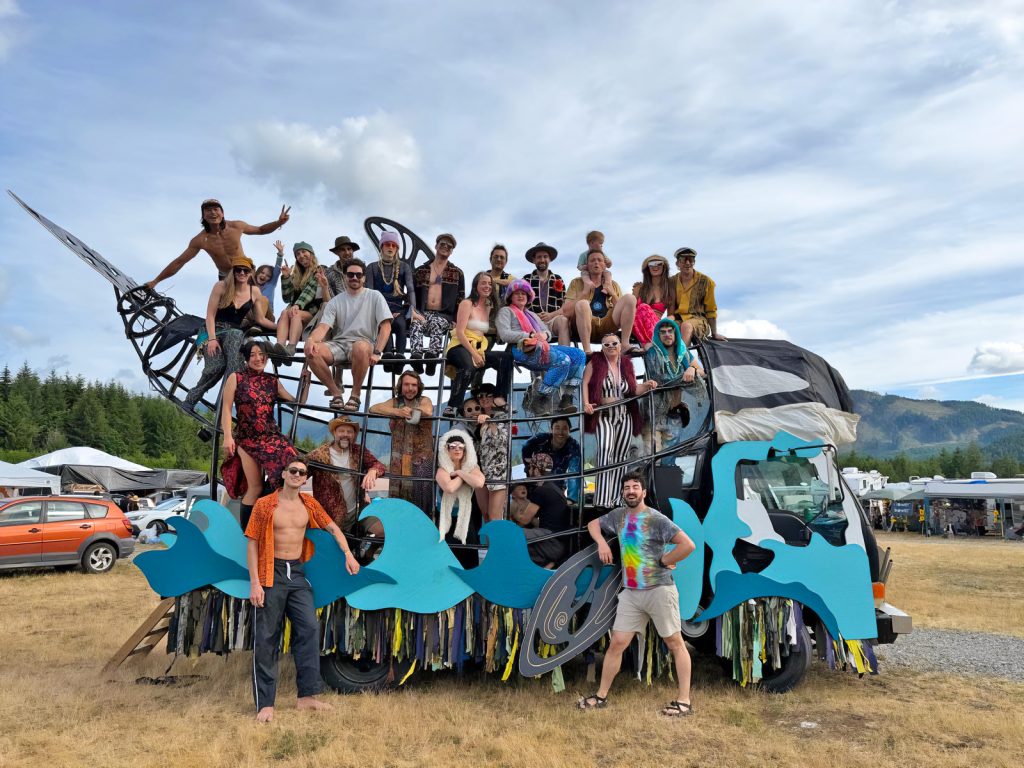
30 People, One Whale
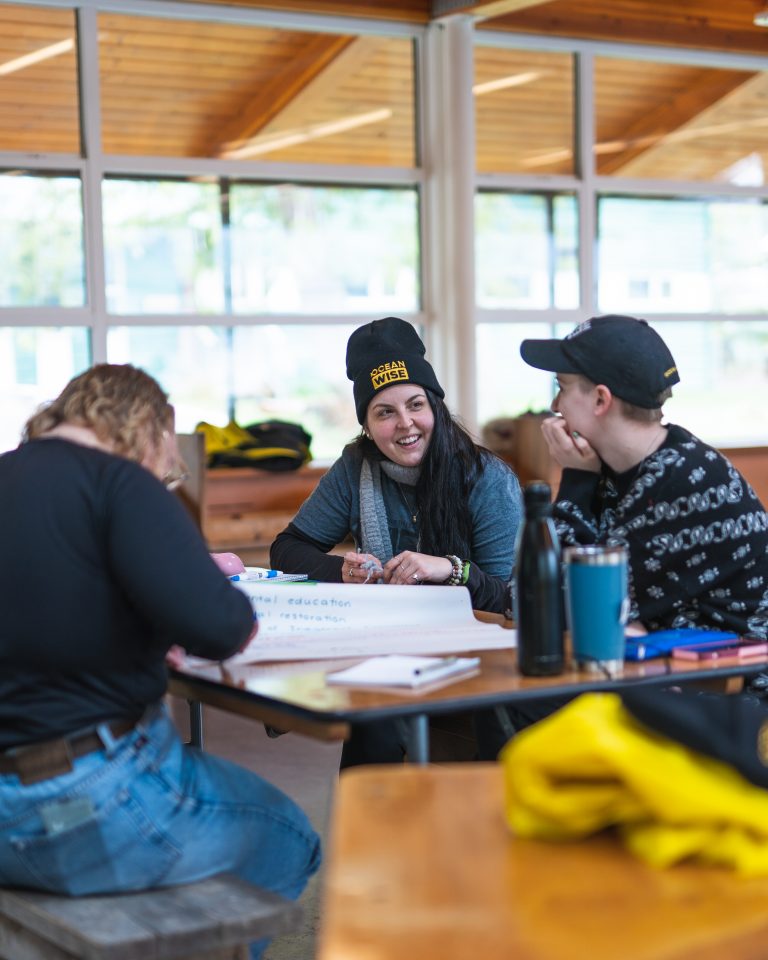
The Orcar started as a community art project through Create Makerspace Society’s Create Public Art program – a three-month build intensive where thirty people come together every Friday night to make something immersive, meaningful, and large-scale.
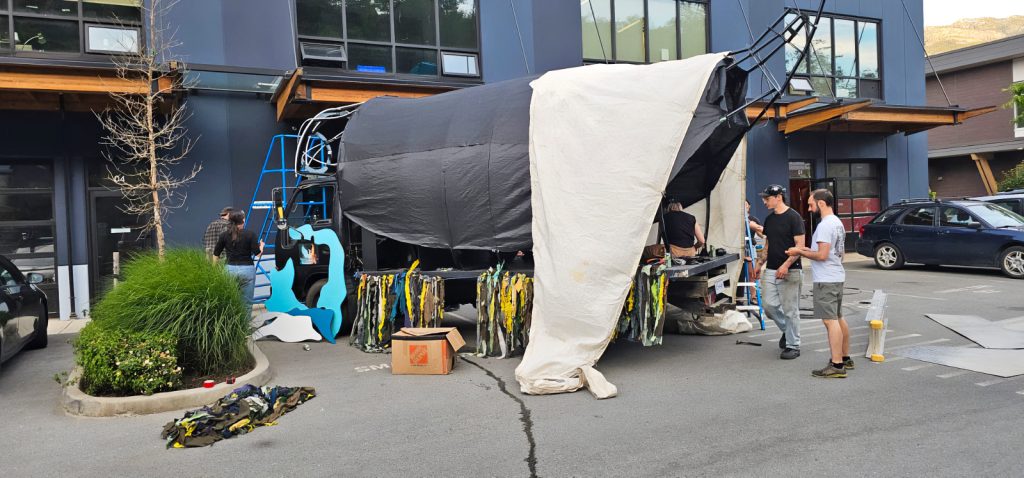
Every Friday from March through June 2026, we met at Create Makerspace. Our community was diverse: Some of us had never held a welding torch. Some had been building things their whole lives.
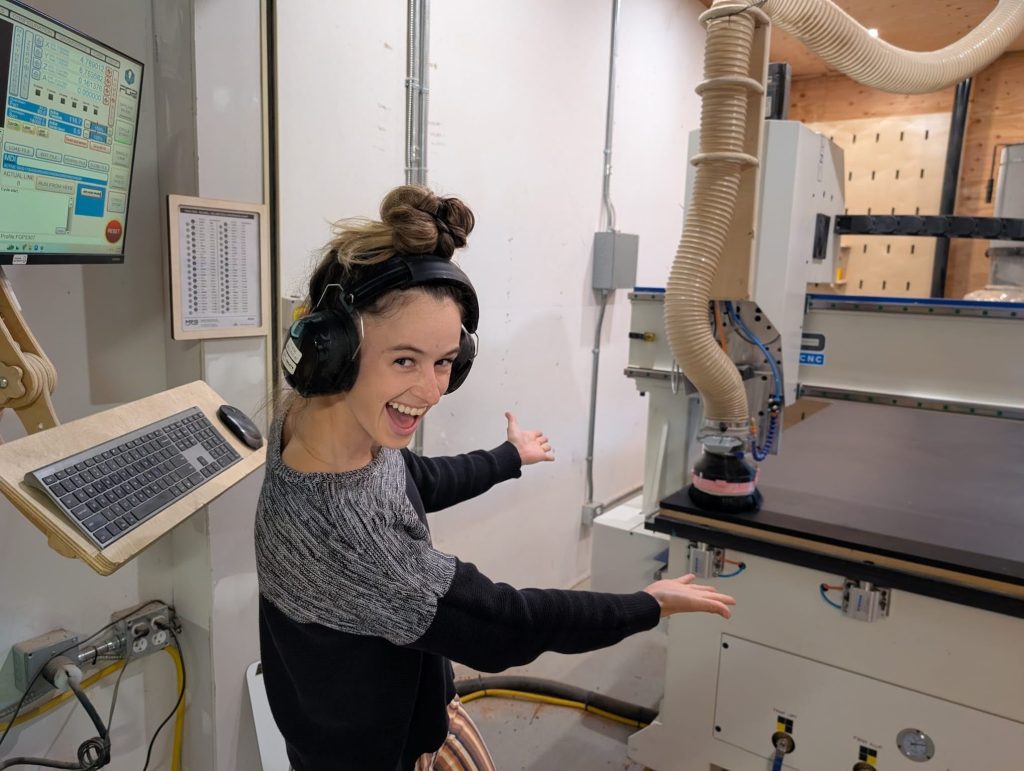
Together, we learned MIG welding, laser cutting, LED electronics, sewing, and more. Steel armature rings took shape. CNC-cut plywood fin panels came off the machine and were fitted into place. Someone prototyped the LED wiring on a tiny wooden mock-up of the truck before scaling it up to the real thing. There were sessions where the steel didn’t behave and days where we had to completely redo hours of sewing labour.
But community builds have a particular resilience. When one person hits a wall, someone else steps in with a different tool or a different idea. The interior soundscape — designed to make you feel like you’re standing inside a living creature — and the responsive lighting that shifts with people’s presence inside the whale: all of it came together through that kind of collaboration.
Why a Whale? Why Art?
The facts about Southern Residents killer whales are well documented. But I kept noticing that facts alone rarely move people to feel the weight of what’s at stake.
Stepping inside a glowing whale built from a truck does something different. It’s physical. It’s strange and beautiful. It asks you to hold two things at once — the cause of the harm and the creature bearing it. That’s not a lecture, it’s an experience.
When you step inside the Orcar at a festival — standing in the belly of a whale built from a truck with light shifting around you — we want you to feel something true: hope, and the sense that transformation is possible. We took a thing that was part of the problem and made it a vessel for something we care about. Thirty people did that together in a makerspace in a small mountain town.
Come Find Us
That’s the story we want to keep telling — but we need help to get there. The Orcar is crowdfunding now on Indiegogo to cover the costs of the final build. Every contribution brings the whale one step closer to having thousands of people who will walk through it this summer. By supporting the campaign, you’ll take home a piece of the Orcar with specialty merch made on our own laser-cutter.
The Orcar upcoming tours include: Bass Coast Festival (Merritt, BC, July 2026), and the Squamish Arts Festival (August 2026). Back the campaign, follow the build, or find us on tour at orcar.art.
About the Author
Sam Morassutti is an Ocean Action Grant recipient & artist based in Squamish, BC. She is a member of Create Makerspace and a participant in the Create Public Art program, which brings together diverse community members to build large-scale public sculptures through mentored co-making sessions. Orcar is built on Skẃx̰wú7mesh territory and is supported by Ocean Wise and the Squamish Arts Council. Follow the build on Instagram at @orcar.art, support the Indiegogo campaign, or find us on tour.
Posted July 21, 2026 by Kim Bricker