Canada’s Ocean Moment: What Will We Make of It?
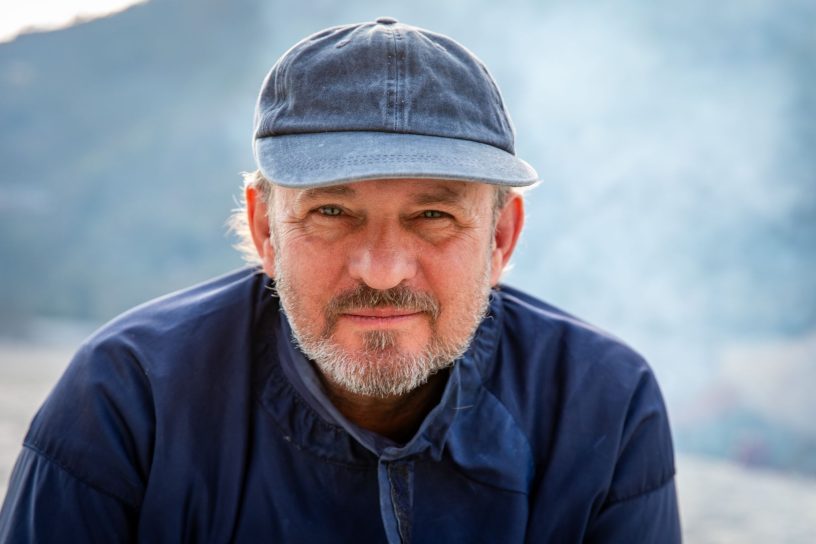
A month into my role as CEO of Ocean Wise, I am inspired.
Inspired by the people I’m getting to know, the depth of their expertise, and the care they bring to their work. Inspired by the possibilities that emerge when we connect science, education, communities and practical conservation. And inspired by the opportunity ahead of us here in Canada.
I have just returned from the biodiversity COP in Armenia, where conversations with colleagues from around the world reinforced how much commitment there is to protecting our ocean. There is urgency, certainly. But there is also ingenuity, determination and a willingness to work together.
Coming home, I feel that energy resonating here.
Canada will host the Our Ocean Conference in Halifax in 2027. Governments, Indigenous leaders, scientists, businesses, conservation organizations and ocean advocates will gather to make commitments and advance solutions.
For me, the most interesting question is “what happens after they leave?”.
Will we have stronger partnerships? More dependable financing for conservation? Better protection for wildlife and habitats? More people who feel connected to the ocean and equipped to care for it?
That is the opportunity I hope we seize.
Turning momentum into lasting change
The recent announcements following Canada’s Ocean Envoy Diana Fox Carney’s visit to the Arctic are encouraging. The commitments to expand marine protection, explore long-term conservation financing and convene a Global Indigenous Summit alongside the conference point towards an ambitious agenda.
They also bring together ingredients that belong together: healthy ecosystems, community priorities, Indigenous leadership and the resources to sustain action.
The work ahead is to turn those commitments into results that endure. Protecting marine areas requires stewardship, knowledge, relationships and sustained support. A partnership needs people with the time and capacity to make it work. A promising solution needs testing, learning and a path to wider application.
Halifax can help bring those pieces together. We should begin that work now.
An ocean moment for all of Canada
One of my strongest convictions is that people need opportunities to build a relationship with nature.
Facts matter. Science matters enormously. But a relationship with the ocean also grows through experience: exploring a shoreline, watching a whale surface, discovering what lives in a tide pool, or understanding how the river near your home connects to the sea.
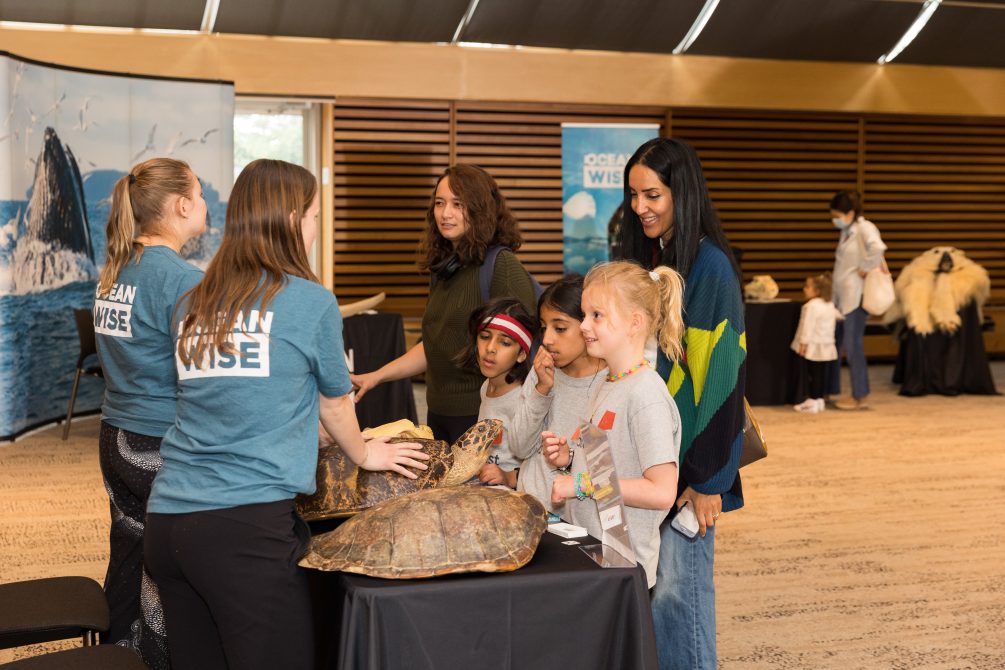
Those experiences can spark curiosity and care. Education can deepen that connection, build understanding and skills, and help people find a meaningful role in conservation.
That is why I want education and ocean literacy to be part of the lasting legacy of this conference.
Ocean vs. Oceans – Check out Sean’s ‘Listening to the Ocean’ video exploring the campaign to drop the “s”
Imagine more young people having opportunities to learn with scientists and community leaders. More educators equipped to bring the ocean into their teaching. More people participating in citizen science, contributing observations and seeing how their knowledge helps. More communities able to connect local concerns with practical action.
This matters whether you live beside the Pacific, Atlantic or Arctic, or thousands of kilometres inland. Our relationship with the ocean reaches into what we eat, how goods move, the climate we experience and the choices we make.
Canada’s ocean moment should reach all of us.
Listening must shape the work
In the Arctic announcements, I was particularly encouraged by the emphasis on Indigenous leadership.
Indigenous Peoples bring knowledge, rights, responsibilities and enduring relationships with coastal and marine places. Those relationships must help shape priorities, decisions and implementation.
As we prepare for Halifax, we have an opportunity to strengthen partnerships in which listening changes what we do. That means understanding what communities want to achieve, where support would be useful, and how conservation can serve both ecological health and community well-being.
The same spirit should guide our wider collaboration. Fishers, researchers, educators, businesses, young people and conservation organizations each bring experience that can improve the work.
We will achieve more if we make room for that knowledge and build shared commitments around it.
What Ocean Wise can bring
In my first month, I have been struck by the range of expertise within Ocean Wise.
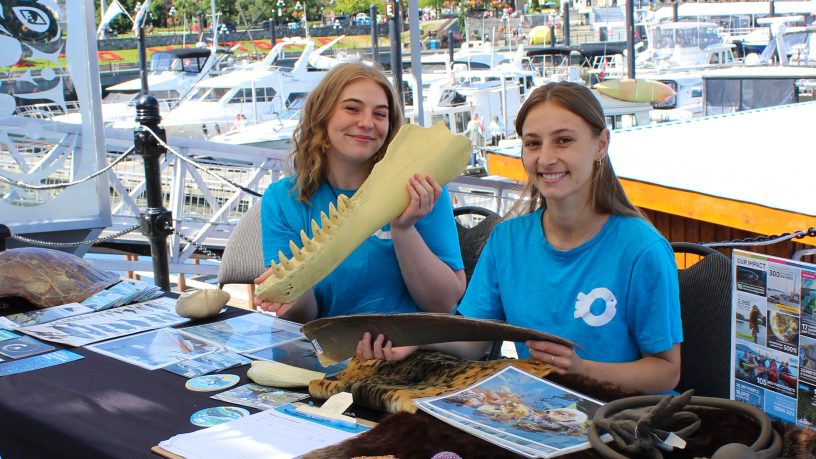
Our work connects seafood choices with fisheries and ocean health. It brings research and technology to the challenge of reducing threats to whales. It explores solutions to plastic pollution and the restoration of kelp ecosystems. Our education colleagues help people turn curiosity into understanding, skills and participation.
I see considerable potential in connecting these strengths more closely.
How can our science inform better decisions? How can our education work help people participate in solutions? How can our relationships with businesses and communities help effective approaches reach further?
These are questions we are asking as a team. They are also questions we can bring to our partners as we prepare for Halifax.
Our contribution should be practical: credible evidence, useful partnerships, clear proposals and an honest understanding of what it takes to deliver. Ambition needs resources, and our commitments must reflect the people and capacity available to fulfil them.
Let’s make this moment count
I have come home from Armenia hopeful, and my first month at Ocean Wise has given that hope a very practical foundation: people with expertise, commitment and ideas worth advancing.
The conference gives us a shared milestone. Between now and Halifax, we can build relationships, develop proposals and identify commitments that will make a meaningful difference.
I would love to hear what you think Canada should bring to this moment. What could your community, organization or business contribute? Where could we achieve more by working together?
We have an opportunity to leave Halifax with stronger connections between people, stronger commitments to the ocean, and the means to carry them forward.
Let’s move fast, but move together.
Posted November 2, 2026 by Nic Schulz