New study shows toxic hydrocarbon hotspots in BC coastal sediments, threatening Southern Resident killer whales and the Chinook salmon they consume
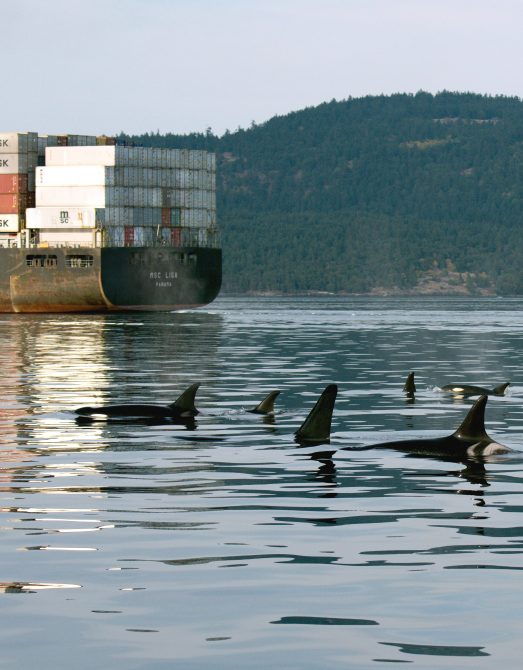
Burgeoning marine traffic to bring more toxic hydrocarbons to killer whale habitats
(Sidney, British Columbia): A new study reveals that toxic hotspots for polycyclic aromatic hydrocarbons (PAHs) in marine sediments exist in parts of the British Columbia (BC) coast, threatening endangered Southern Resident killer whales and the Chinook salmon they depend on.
The study, conducted by researchers from Ocean Wise, Raincoast Conservation Foundation, Metro Vancouver, Fisheries and Oceans Canada, and Simon Fraser University, was published in the international scientific journal Archives of Environmental Contamination and Toxicology.
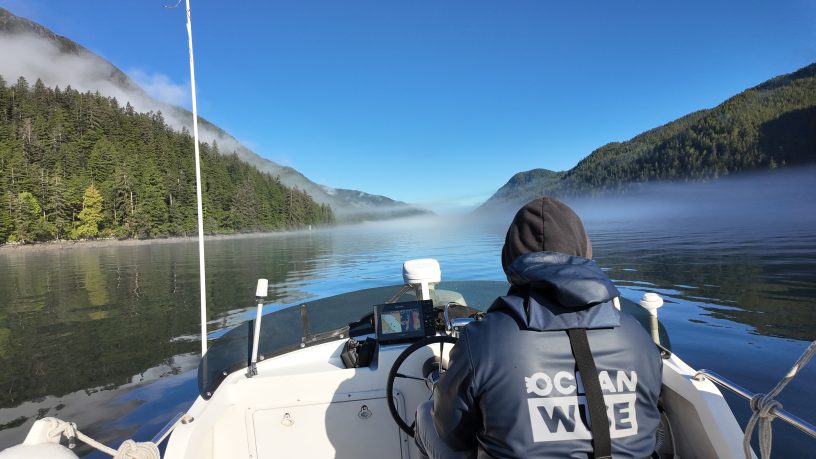
In this large-scale study, 76 different PAH compounds were analysed at 98 sediment sites spanning the BC coast from Victoria to Prince Rupert. The study found significant PAH hotspots in urbanized and industrialized areas including Victoria Harbour and Burrard Inlet.
Polycyclic aromatic hydrocarbons in sediments come from a combination of natural background sources including coal formations and volcanoes, but human activities add a toxic layer of these pollutants from accidental fuel spills, and the combustion of wood, coal and fossil fuels. Sediments provide a historical record of PAH contamination, but they also serve as a source of these pollutants to the adjacent food web where they can harm fish and wildlife. Sediments are often used as an indicator of ocean health.
Chemical fingerprinting in this study revealed that PAHs along the coast originate from coal-related activities, including mining, processing, and transporting. Exhaust and effluent from commercial vessels, and spills associated with recreational and commercial shipping, explained localised contamination hotspots.
Vessel traffic, particularly the south, continues to grow, with over 400,000 vessels transiting the coast each year, including tankers, cargo ships, tugs, fishing vessels, ferries and cruise ships. This portents a future of heightened PAH-associated risks to killer whales and their prey.
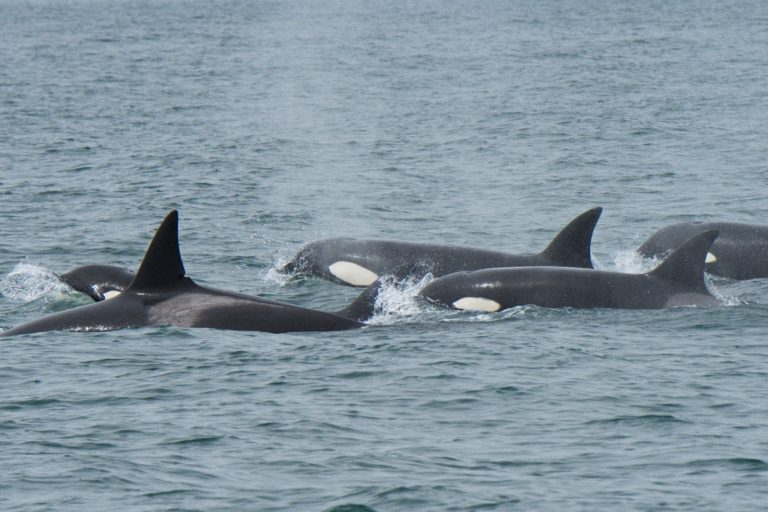
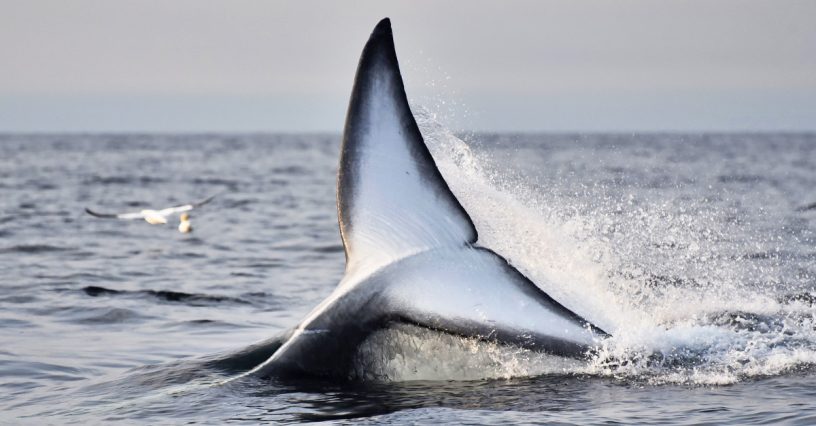
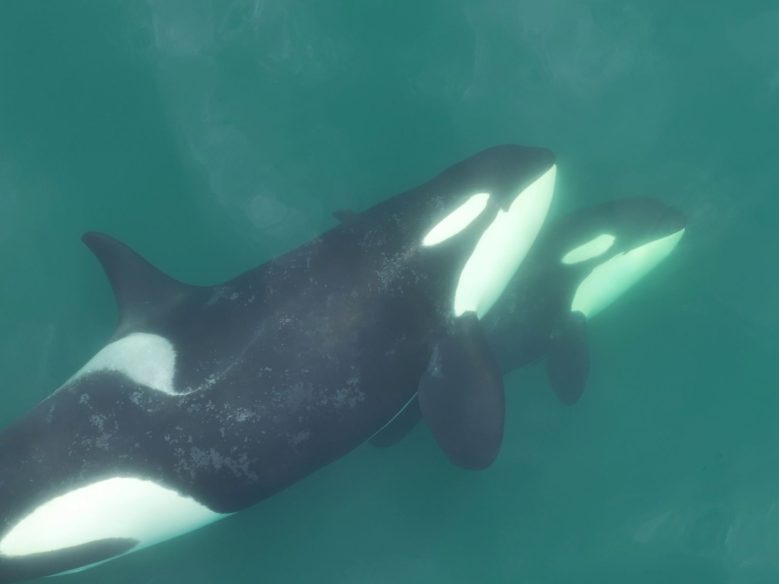
The study showed that health impacts are expected for Chinook salmon using nearshore habitats, as well as for both Southern and Northern Resident killer whales within their Critical Habitats. Health risks were higher in the Critical Habitat of Southern Resident killer whales than that of the Northern Resident killer whales.
Said co-author Dr. Peter Ross, Senior Scientist at Raincoast Conservation Foundation: “These troubling findings indicate that heightened attention to source controls, spill response, and best practices in harbours and aboard vessels is imperative, as the recovery of killer whales hangs in the balance.”
Many PAHs are toxic and can affect development, growth, swimming performance, and energy reserves in fish, resulting in an increased risk of death. They have also been linked to gastrointestinal cancers, reproductive impairment, lung disease and liver damage in heavily exposed marine mammals.
Said lead author Dr. Joseph Kim: “Hydrocarbon releases into the Salish Sea add to the list of threats to the habitat of Endangered Southern Resident killer whales. Coupled with the potential for an oil spill from increased tanker traffic, hydrocarbons appear poised to grow as a conservation concern.”
Report citation
Joseph J. Kim, Peter S. Ross, Kelsey Delisle, Tanya M. Brown, Farida Bishay, Marie Noël. 2026. Polycyclic Aromatic Hydrocarbons (PAHs) in Marine Sediments: Distribution, Sources, and Biological Risks in the Habitat of Resident Killer Whales and their Prey in British Columbia, Canada Archives of Environmental Contamination and Toxicology: 90:18 https://doi.org/10.1007/s00244-026-01185-6
Posted May 28, 2026 by Nic Schulz