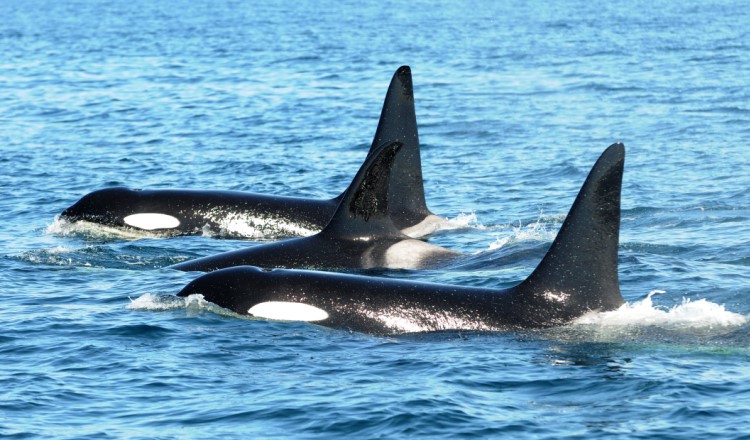
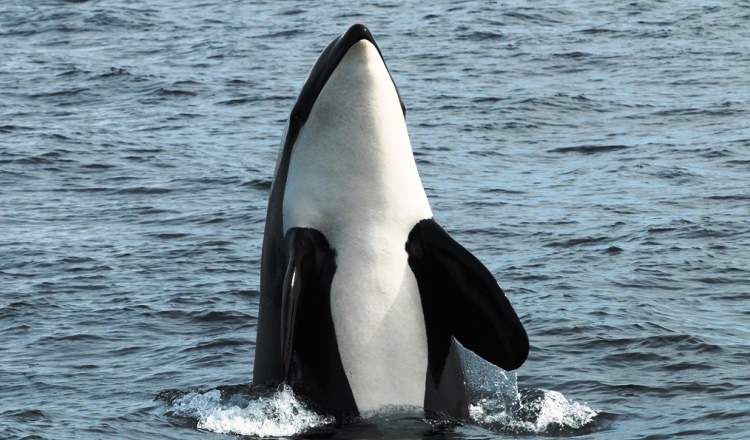
Caution Around Cetaceans: Responsible habits to have while whale-watching
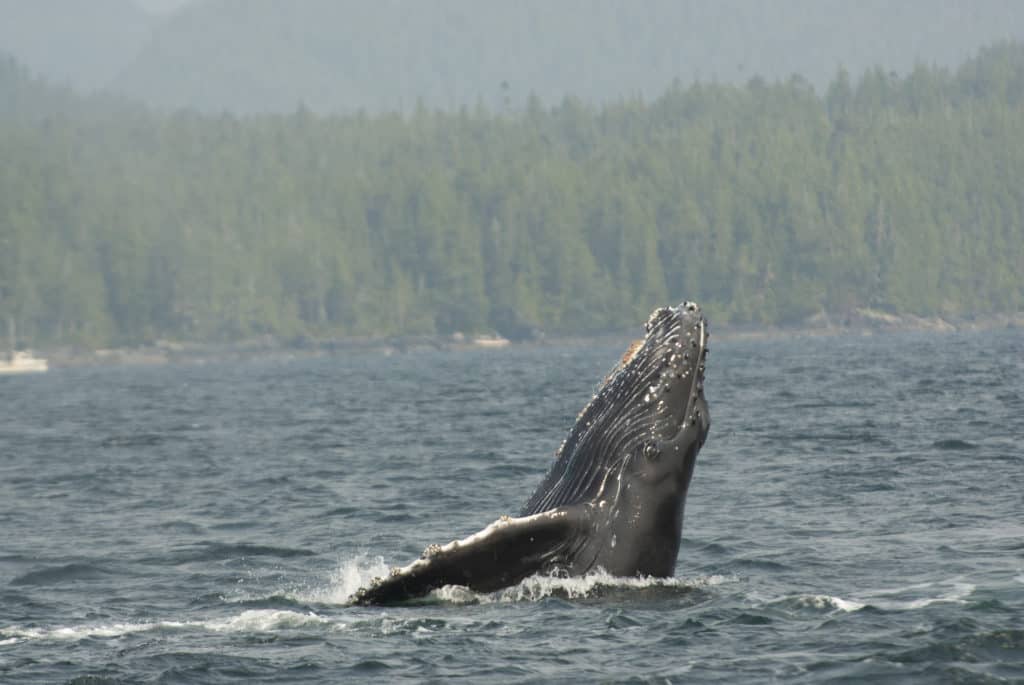
Whether you’re on the water with a whale-watching company or travelling across the water in your own vessel, there’s always a chance of spotting whales, dolphins, and porpoises! While it’s exciting to see these majestic animals, it’s important to be aware of viewing laws and guidelines to ensure their health and safety!
Here are five habits you can adopt to whale watch responsibly:
1) Keep Your Distance
One of the best things you can do to keep whales safe when out on the water is keeping your distance! It’s so important, that there’s actually laws in place for how close you’re allowed to get to each cetacean species. In Canada all vessels must stay:
- 1000 metres away from Southern Resident Killer Whales.
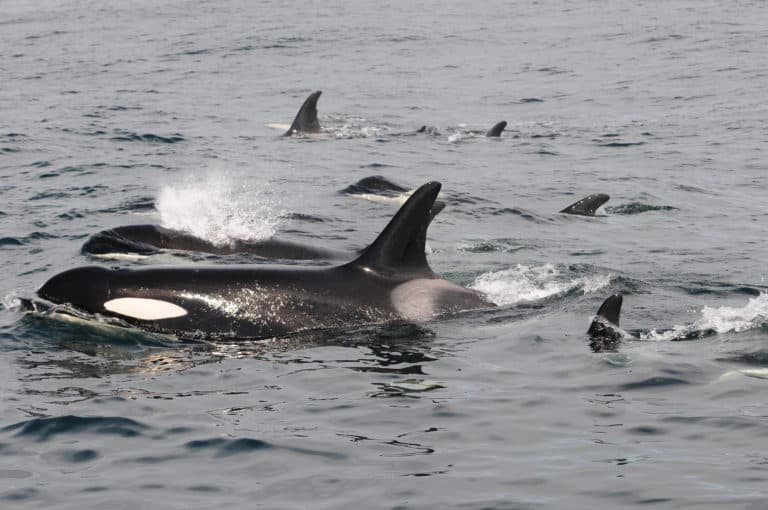
- 200 metres away from Bigg’s killer whales and Northern Resident Killer Whales.
- 200 metres away from cetaceans that are resting or cetaceans with calves.
- 100 metres away from all other cetacean species.
If you’re unsure about whether the whale you’ve spotted is a Southern Resident, assume that it is, and follow distance laws according to this assumption.

2) Be Aware of Whale Safe Laws and Regulations
In addition to the viewing laws, there are many regulations in place that prohibit people from disturbing whales, dolphins, and porpoises. These include:
- It’s prohibited to approach any marine mammal to feed it, interact with it, move it, separate it from its group or calf, trap it, or tag it.
- Drones cannot be operated at altitudes below 304 metres within a half nautical mile of marine mammals, unless you have a permit to use them for research or other authorized activities.
- If a vessel or fishing gear accidentally makes contact with a marine mammal, it must be reported to the Fisheries and Oceans Incident Reporting Line (1-800-465-4336 / [email protected]).
3) Know Tips to Avoid Collisions and Incidents
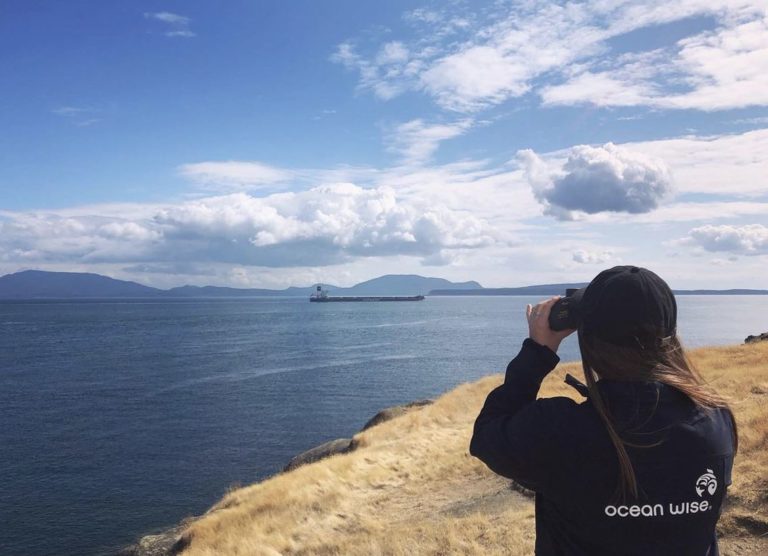
If you’re a vessel operator, you can take plenty of measures to avoid collisions and other incidents with cetaceans!
- Slow down to 7 knots or slower if a whale’s presence is detected or suspected.
- Avoid travelling towards large aggregations of birds as they tend to indicate marine mammals are present in that area.
- If you’re fishing, turn off any fish finders or echo sounders if cetaceans are within 1000 metres of your fishing spot, to reduce the chance of disturbance.
- If you see a whale moving towards you, move out of the way while avoiding abrupt movement and move back to your proper viewing distance.
- Don’t approach whales from the front or behind. Always approach them from the side and move parallel with their direction of movement while maintaining proper viewing distance.
- Bigg’s killer whales tend to be encountered more than Resident killer whales now. Bigg’s killer whales mainly prey on seals and sea lions, so it’s important to be aware of their foraging ecology and maintain a safe distance while Bigg’s killer whales are hunting. The prey will look for a way to escape, and if you’re too close, you may end up with one of these pinnipeds on your vessel.

4) Know the Signs of Nearby Whales
There are many signs you can look out for to tell if there are cetaceans nearby! Watch for blows coming from the water’s surface, since this indicates that a cetacean is surfacing to breathe. Fluke prints produced by the tails are also indicators of nearby whales that have recently surfaced. Sometimes a crowd of seabirds can also be an indicator that cetaceans are present.

Many boaters also fly a flag to indicate nearby whales, such as a yellow Research Flag or Whale Warning Flag. If you’re operating a vessel, you can also fly the flag to inform other boaters around you!
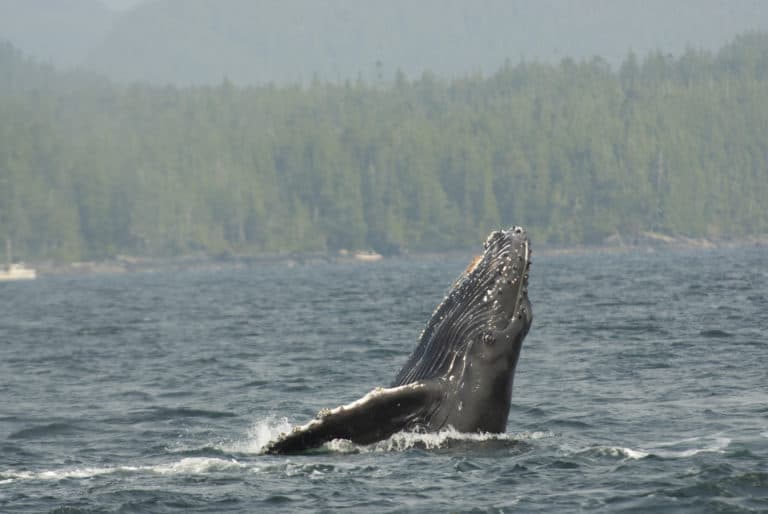
Keeping these signs in mind is especially important when travelling through known whale “hot spots.” Along the coast of B.C., many important Humpback Whale habitats overlap with busy vessel routes. Making them particularly vulnerable to vessel strikes and disturbances.
5) Report, Report, Report!
Reporting whale sightings and violations of laws are more ways to help keep cetaceans safe. For sightings, you can use the Whale Report Alert System to help inform commercial vessels of cetaceans present in an area. Be alert of any people or vessels that are violating laws as well and report them to the Fisheries and Oceans Incident Reporting Line.
Safely traversing the ocean means being aware of laws and guidelines. If you’re a recreational boater, you can take a whale-safe boating course to brush up on your knowledge of staying safe on the water and protecting whales!
Always exercise caution and be mindful of marine mammals when operating a vessel on the water, even when you’re not actively searching for them. If you’re keen on touring with a whale-watching company, make sure you research their practices, ethos, and reviews before booking a tour with them!
Happy whale-watching!
Citations
Government of Canada (2018, July 11). Regulations Amending the Marine Mammal Regulations: SOR/2018-126. Canada Gazette, 152(14). https://gazette.gc.ca/rp-pr/p2/2018/2018-07-11/html/sor-dors126-eng.html
Laws and boater safety. Marine Education and Research Society. (n.d.). https://mersociety/org/education/laws-boater-safety/#southern-vancouver-island-map
Whale watching guidelines. Pacific Whale Watch Association. (n.d.). https://www.pacificwhalewatchassociation.com/regulations
Posted September 11, 2026 by Ocean Wise