Think farmed seafood isn’t sustainable? Think again!
When it comes to choosing seafood, it’s common to think wild is better than farmed. But when it comes to sustainability, the answer is often more nuanced. This National Seafood Month, we’re learning more about aquaculture and how to spot ocean-friendly options.
All About Aquaculture!
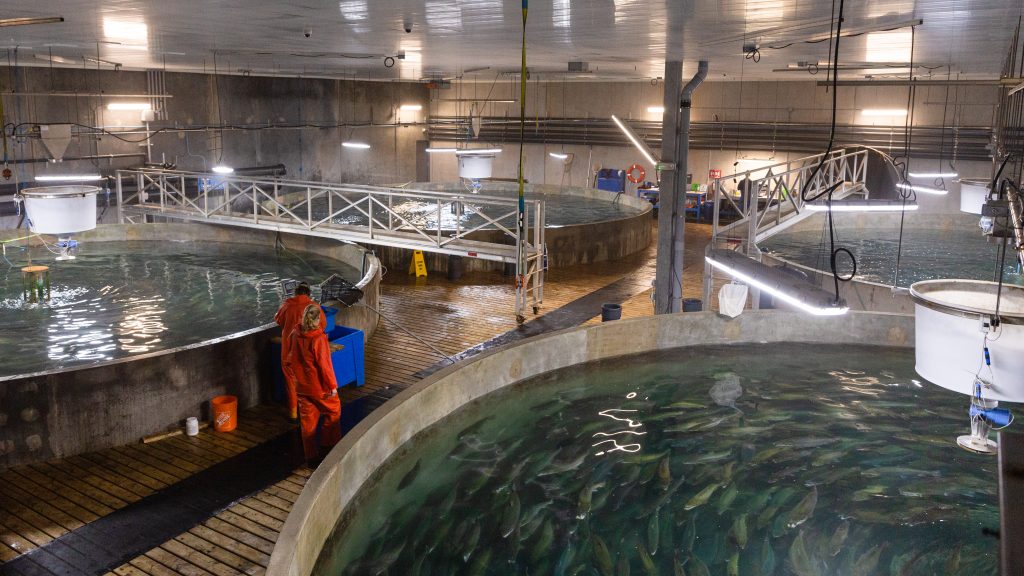
Much like we farm plants and protein on land through agriculture, we can also farm seafood through a process called aquaculture! Aquaculture, or seafood farming, can occur in bodies of water like oceans and lakes, as well as on land using specialized facilities.
While evidence shows that aquaculture has been around for thousands of years, the industry has exploded over the last century! Today, aquaculture plays an important role in food security and feeding a growing global population. It’s one of the fastest-growing food production industries and now provides more than half of the seafood we harvest.
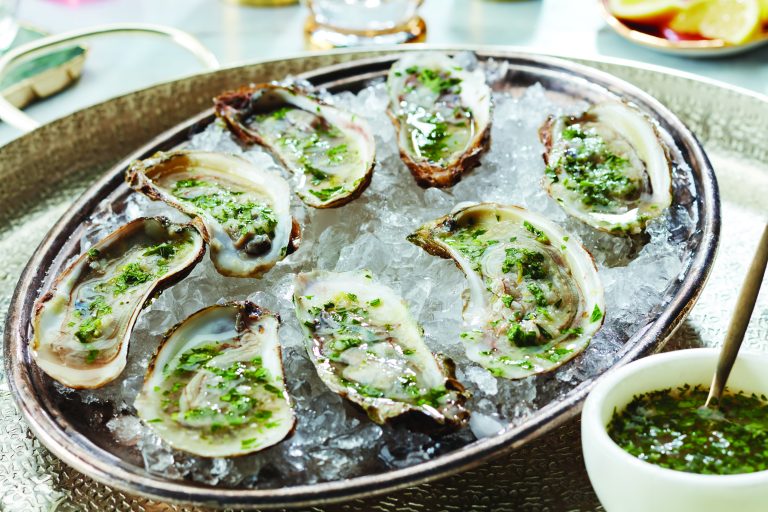
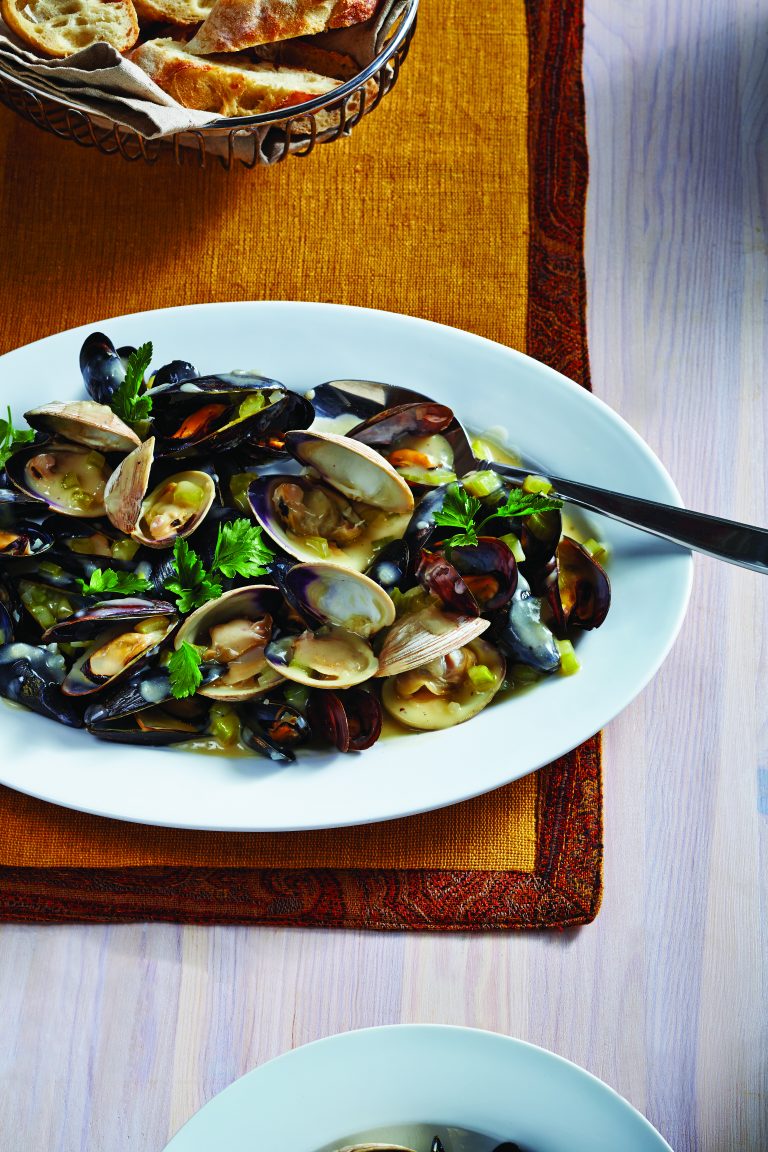
When done responsibly, aquaculture can help promote a healthy ocean. Not only do some farmed species like oysters, clams, and mussels clean the water around them as they grow, but eating more responsibly farmed species can also reduce the pressure on wild-caught seafood populations in need of recovery.
The Ocean Wise Checklist

Criteria 1. Data – Is there enough reliable data to understand the farm’s environmental impacts?
Criteria 2. Effluent – Is wastewater emitted from the farm and if so, what impact does it have on the surrounding ecosystem?

Criteria 3. Habitat – Does the farm harm any sensitive or critical habitats?
Criteria 4. Chemical Use – Are any potentially harmful chemicals used during the farming process and what impact do they have on the ecosystem?
Criteria 5. Feed – Where does the feed for the farmed seafood come from and how sustainable is it?
Criteria 6. Escapes – Is there any risk of the farmed species escaping and affecting local wild populations?

Criteria 7. Disease Risk – What is the likelihood of disease or parasites from the farm affecting wild populations?

Criteria 8. Source of Stock – Where did the seafood being farmed come from and was it sourced sustainably?

Criteria 9. Wildlife Impacts – Are the farm’s interactions with other wildlife kept to a minimum?

Criteria 10. Introduced Species – Is there any risk of secondary species, like live feed, escaping into the surrounding environment?
Ready to Put Sustainable Seafood on the Menu?
This National Seafood Month, make sustainable seafood part of your meal prep with Ocean Wise Recommended aquaculture products.
Check out your local seafood counter or explore the recipes below to get inspired!